Solutions
Condition intelligence across the asset system.
Combine field engineering, connected condition data, and responsible AI and Machine Learning into a reliability strategy that keeps evidence and people at the center.
PCAS
Power Condition Assessment Solutions
A coordinated view of electrical-system condition to help identify developing defects and prioritize response.
Switchgear, transformers, cables, breakers, bus systems, and medium- or low-voltage distribution.
- Infrared thermography
- Partial-discharge assessment
- Ultrasound inspection
- Power-quality and electrical testing
MCAS
Machine Condition Assessment Solutions
Multi-technology assessment for rotating machinery and the mechanical systems that support production.
Pumps, fans, compressors, bearings, gearboxes, blowers, turbines, and driven equipment.
- Vibration analysis
- Ultrasound analysis
- Thermal inspection
- Lubricant condition review
SCAS
Stationary Condition Assessment Solutions
Focused condition review for stationary mechanical assets where leakage, integrity, or process loss may develop.
Valves, steam traps, piping interfaces, heat exchangers, tanks, and selected process equipment.
- Ultrasound screening
- Thermal pattern review
- Leak detection
- Condition walkdown
CCAM
Comprehensive Motor Assessment
A combined electrical and mechanical view of motor condition, performance, and developing failure indicators.
Medium- and low-voltage AC motors, critical driven trains, and selected DC assets.
- Motor-current signature analysis
- Offline electrical testing
- Vibration and thermal review
- Operating-condition correlation
GCAS
Generator Condition Assessment Solutions
Condition assessment intended to identify stator, rotor, bearing, and supporting-system concerns.
Industrial generators, synchronous machines, auxiliary systems, and associated rotating components.
- Electrical signature review
- Vibration assessment
- Thermography
- Insulation and condition testing
24/7
Continuous Condition Monitoring
Persistent measurement and trend visibility for assets where risk, criticality, or access requires closer attention.
Critical rotating trains, transformers, generators, switchgear, and selected remote assets.
- Online vibration monitoring
- Electrical-condition monitoring
- Alarm and trend strategy
- Exception review and escalation
AI/ML
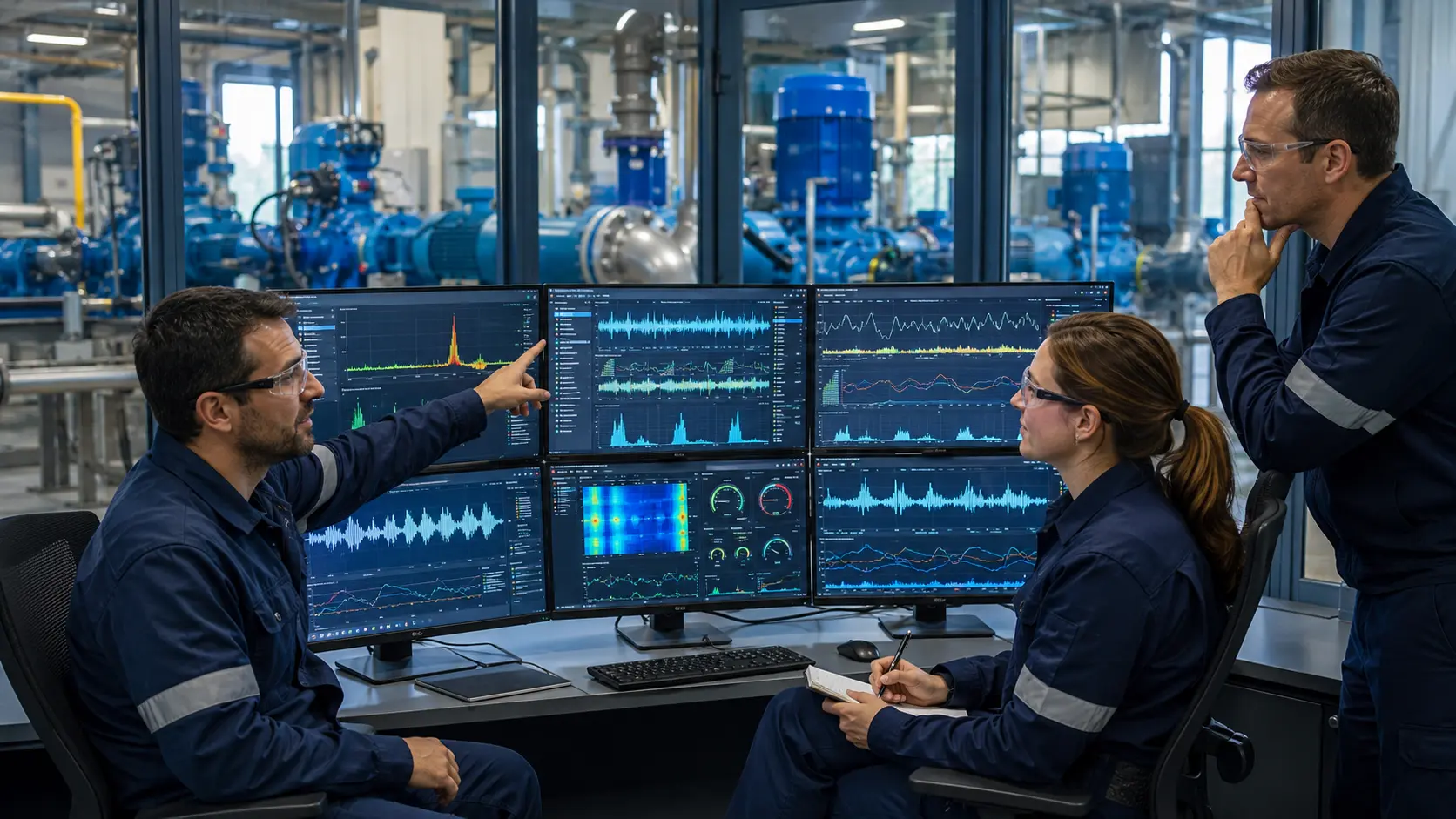
Condition Intelligence with AI and Machine Learning
Engineering-guided analytics that screen condition data, detect unusual patterns, and focus expert attention on priority assets.
Sensor fleets, route databases, historians, CMMS records, and multi-technology condition datasets.
- Data-readiness assessment
- Anomaly and pattern detection
- Multi-sensor evidence correlation
- Human review and model monitoring
Integrated approach
No single measurement—or model—tells the whole story.
Technology selection should follow the asset, failure modes, operating condition, and decision required—not a fixed test list or a generic algorithm.
STAH can help define the right evidence, establish a baseline, validate analytics against representative behavior, and connect human-reviewed findings to maintenance priority.
Start a conversation
Which assets deserve a clearer condition picture?
Share the asset, operating concern, data opportunity, or reliability goal. STAH can help shape a focused, human-reviewed next step.