AI and Machine Learning for industrial reliability

sales@stahcorp.com
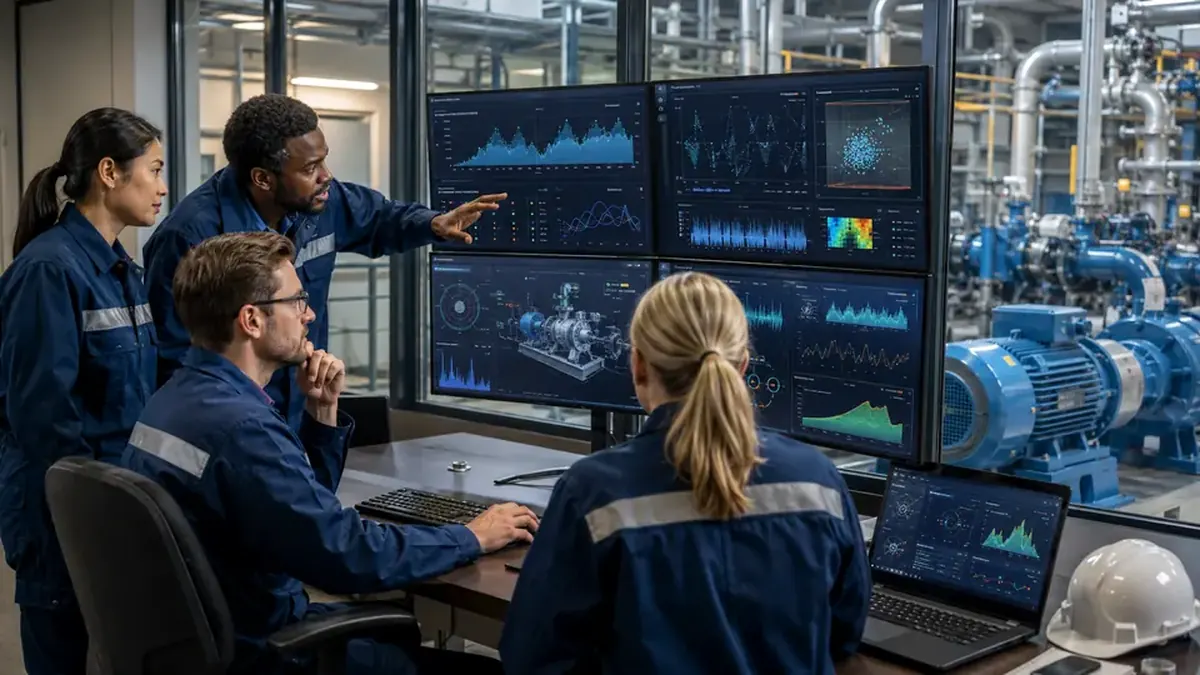
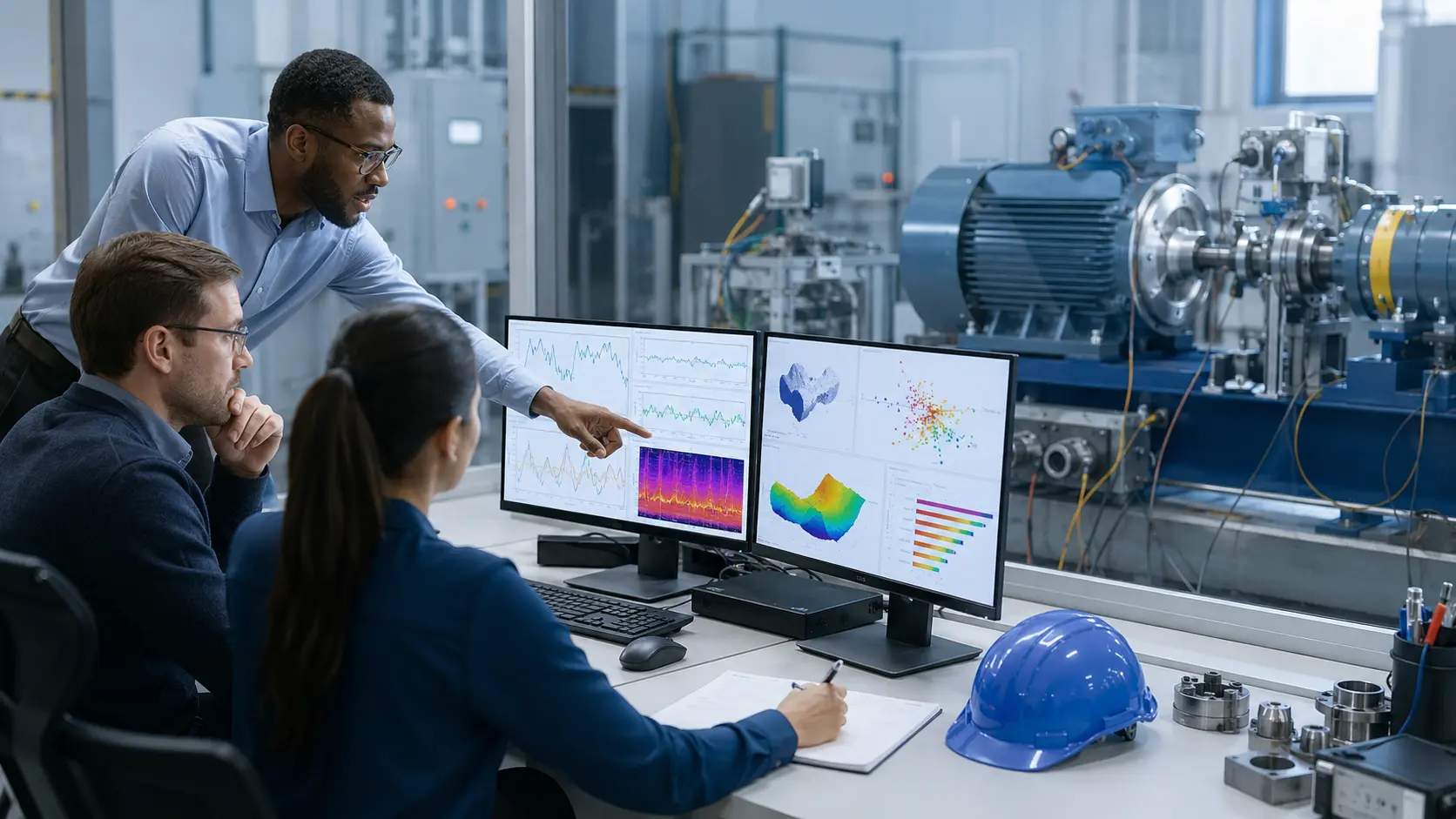
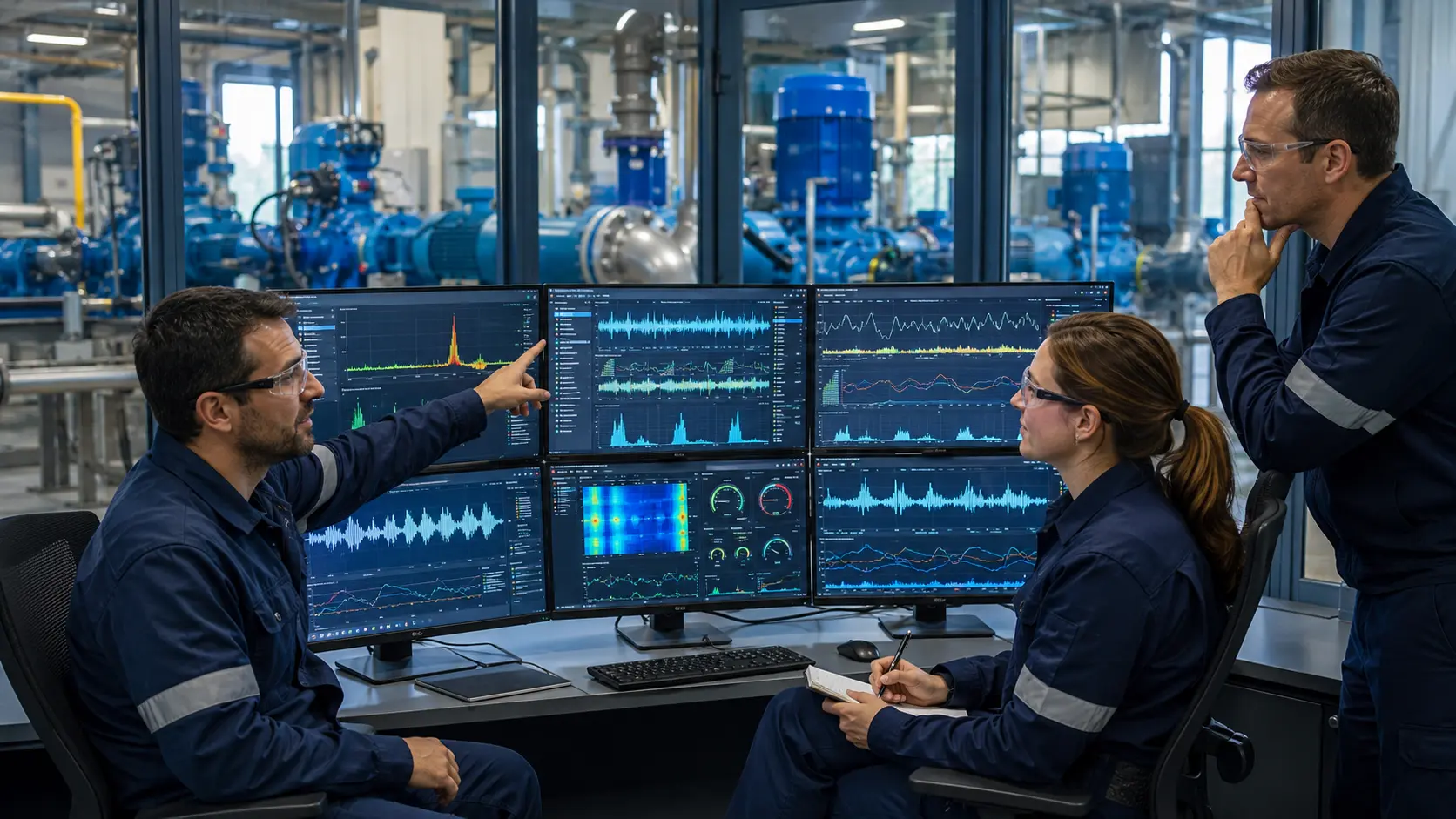
Reliability engineers reviewing AI and Machine Learning condition intelligence across industrial assets

Solutions · AI and Machine Learning · Engineering-guided analytics

Condition Intelligence with AI and Machine Learning

AI and Machine Learning can help organize multi-technology condition data, detect unusual behavior, and focus expert attention on the assets that need review.

STAHAI/MLHUMAN-REVIEWED
Reliability engineers reviewing AI and Machine Learning condition intelligence across industrial assets
Connected asset and system condition
Back to Solutions

Assessment scope

The condition picture this solution brings together.

  • Multisensor data fusion across vibration, thermal, electrical, oil, ultrasound, and process signals
  • Anomaly detection under comparable operating states
  • Data-quality, sensor-health, and missing-context checks
  • Explainable prioritization for qualified human review

System view

One system. Several signals. One coordinated decision.

A solution combines several observations into one condition decision. It starts with the asset and credible failure modes, then selects complementary methods so one ambiguous indicator is not allowed to drive the conclusion.

For condition intelligence with ai and machine learning, that means beginning with multisensor data fusion across vibration, thermal, electrical, oil, ultrasound, and process signals, working in the context of fleet-level exception screening, and preserving enough evidence to support ai and machine learning opportunity and data-readiness assessment.

Engineering boundary

A condition assessment supports maintenance decisions; it does not replace protective systems, code compliance, original-equipment-manufacturer limits, or an engineering study required by the site.

Condition record

What should support the system-level conclusion.

  • The asset, audience, or system boundary and the decision being supported
  • The relevant operating state, access conditions, source records, and known limitations
  • The observations or results related to anomaly detection under comparable operating states
  • The comparison, technical reasoning, confidence, priority, and alternative explanations
  • The owner, timing, verification method, and trigger for escalation or follow-up

Challenge the diagnosis

What reviewers should test before action.

  • Was the evidence collected under a representative and documented condition?
  • Does another indicator support—or conflict with—the first conclusion?
  • Could access, setup, data quality, environment, or operating state explain the result?
  • Is the proposed action proportionate to condition, consequence, and uncertainty?
  • What new evidence would confirm that the action worked?

Evidence architecture

How the signals are assembled into a defensible conclusion.

The value comes from the relationship between evidence—not the number of technologies used.

  1. 01

    Define the asset decision, failure modes, and acceptable risk

    Primary focus: Multisensor data fusion across vibration, thermal, electrical, oil, ultrasound, and process signals. Expected record: AI and Machine Learning opportunity and data-readiness assessment. Typical setting: Fleet-level exception screening.

  2. 02

    Prepare trustworthy data with asset and operating context

    Primary focus: Anomaly detection under comparable operating states. Expected record: Validated analytics or alerting concept. Typical setting: Continuous condition monitoring.

  3. 03

    Develop and validate models against baselines and known events

    Primary focus: Data-quality, sensor-health, and missing-context checks. Expected record: Model limits, confidence, and review criteria. Typical setting: Cross-technology evidence correlation.

  4. 04

    Place human review, feedback, drift checks, and escalation into the workflow

    Primary focus: Explainable prioritization for qualified human review. Expected record: Governance, monitoring, and improvement plan. Typical setting: Maintenance review and work prioritization.

DELIVERABLES

Typical outputs

  • AI and Machine Learning opportunity and data-readiness assessment
  • Validated analytics or alerting concept
  • Model limits, confidence, and review criteria
  • Governance, monitoring, and improvement plan
APPLICATIONS

Typical assets

  • Fleet-level exception screening
  • Continuous condition monitoring
  • Cross-technology evidence correlation
  • Maintenance review and work prioritization
SYSTEM INSIGHT
AI and Machine Learning should reduce the search space for engineers—not hide uncertainty or replace responsibility for the maintenance decision.

Start a conversation

Talk with STAH about condition intelligence with ai and machine learning.

Share the asset, operating concern, data opportunity, or reliability goal. STAH can help shape a focused, human-reviewed next step.