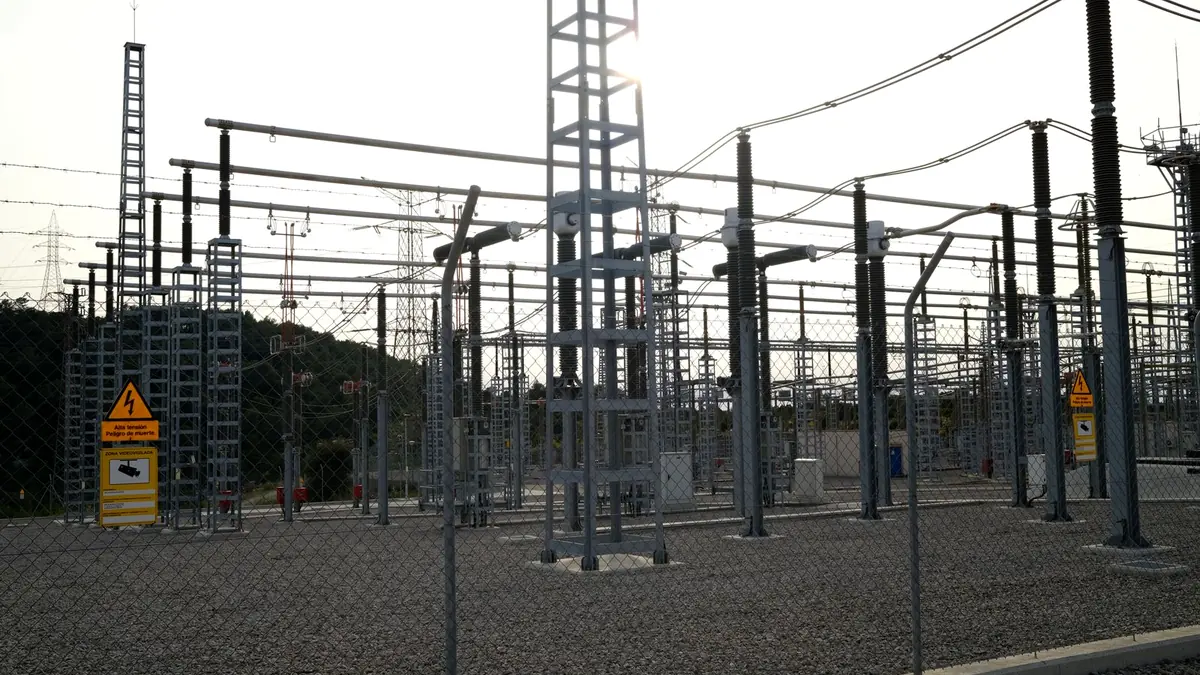
One system. Several signals. One coordinated decision.
A solution combines several observations into one condition decision. It starts with the asset and credible failure modes, then selects complementary methods so one ambiguous indicator is not allowed to drive the conclusion.
For power condition assessment solutions, that means beginning with thermal anomalies and connection heating, working in the context of switchgear and breakers, and preserving enough evidence to support asset-by-asset condition observations.
Engineering boundary
A condition assessment supports maintenance decisions; it does not replace protective systems, code compliance, original-equipment-manufacturer limits, or an engineering study required by the site.
Condition record
What should support the system-level conclusion.
The asset, audience, or system boundary and the decision being supported
The relevant operating state, access conditions, source records, and known limitations
The observations or results related to insulation distress and partial-discharge indicators
The comparison, technical reasoning, confidence, priority, and alternative explanations
The owner, timing, verification method, and trigger for escalation or follow-up
Challenge the diagnosis
What reviewers should test before action.
Was the evidence collected under a representative and documented condition?
Does another indicator support—or conflict with—the first conclusion?
Could access, setup, data quality, environment, or operating state explain the result?
Is the proposed action proportionate to condition, consequence, and uncertainty?
What new evidence would confirm that the action worked?
Evidence architecture
How the signals are assembled into a defensible conclusion.
The value comes from the relationship between evidence—not the number of technologies used.
01
Define system boundaries, critical loads, and accessible assets
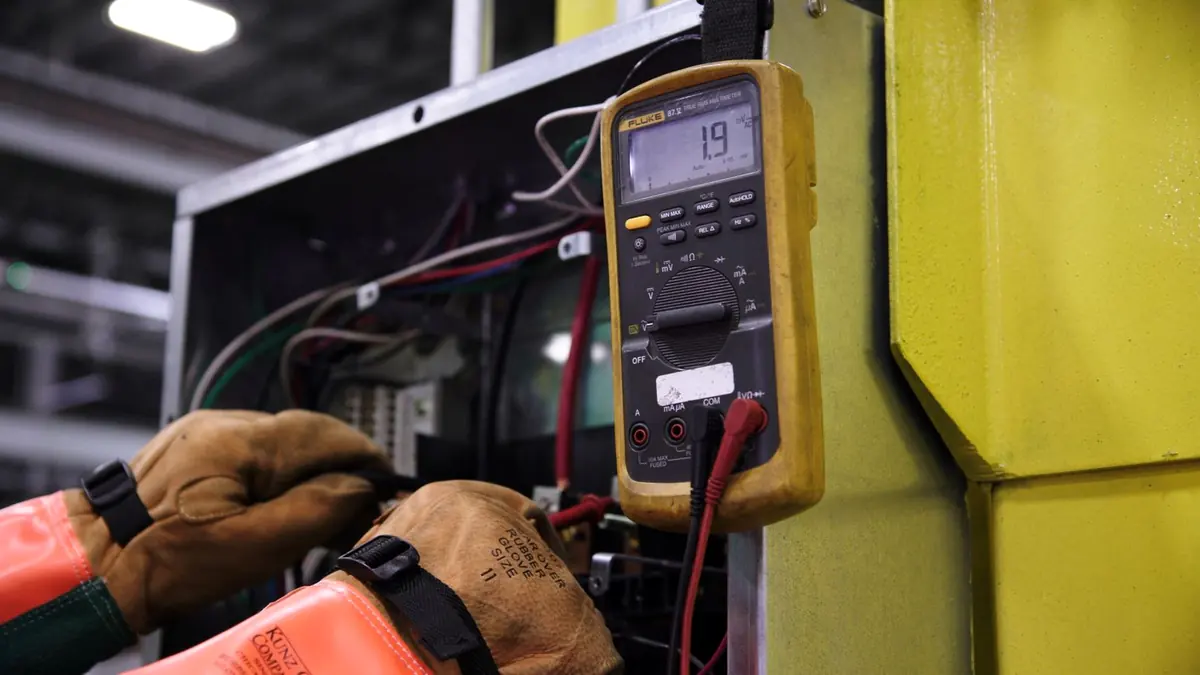
Primary focus: Thermal anomalies and connection heating. Expected record: Asset-by-asset condition observations. Typical setting: Switchgear and breakers.
02
Review drawings, history, and operating constraints
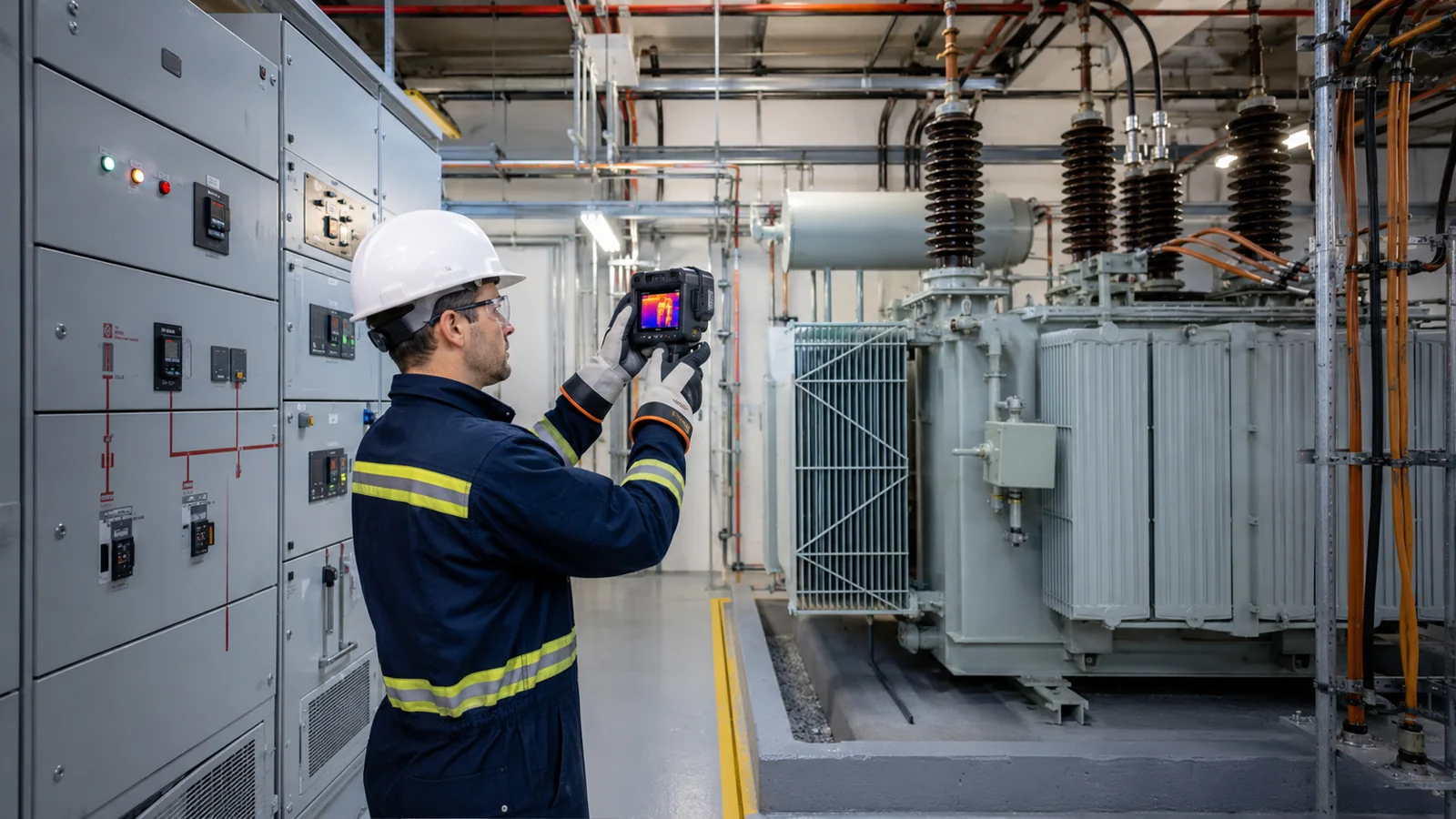
Primary focus: Insulation distress and partial-discharge indicators. Expected record: Annotated thermal or diagnostic evidence. Typical setting: Transformers.
03
Apply appropriate online and offline methods
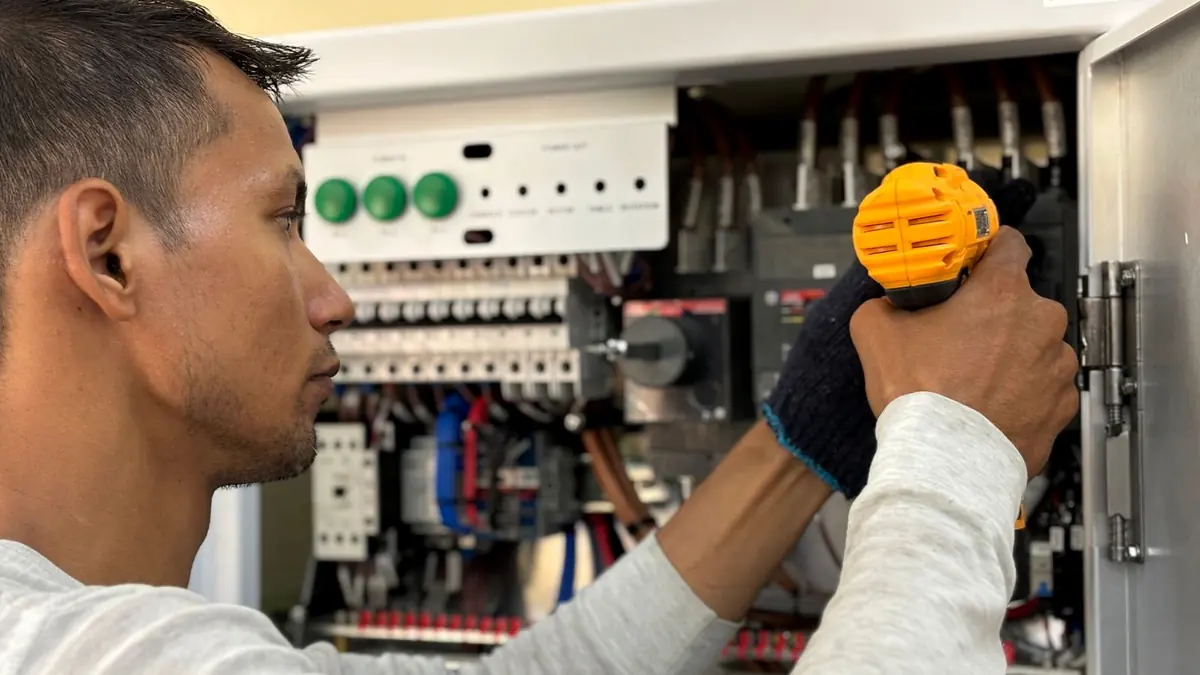
Primary focus: Abnormal sound, arcing, tracking, or corona evidence. Expected record: Risk-ranked findings. Typical setting: Cables, bus, and terminations.
04
Correlate findings and prioritize corrective or confirmatory action
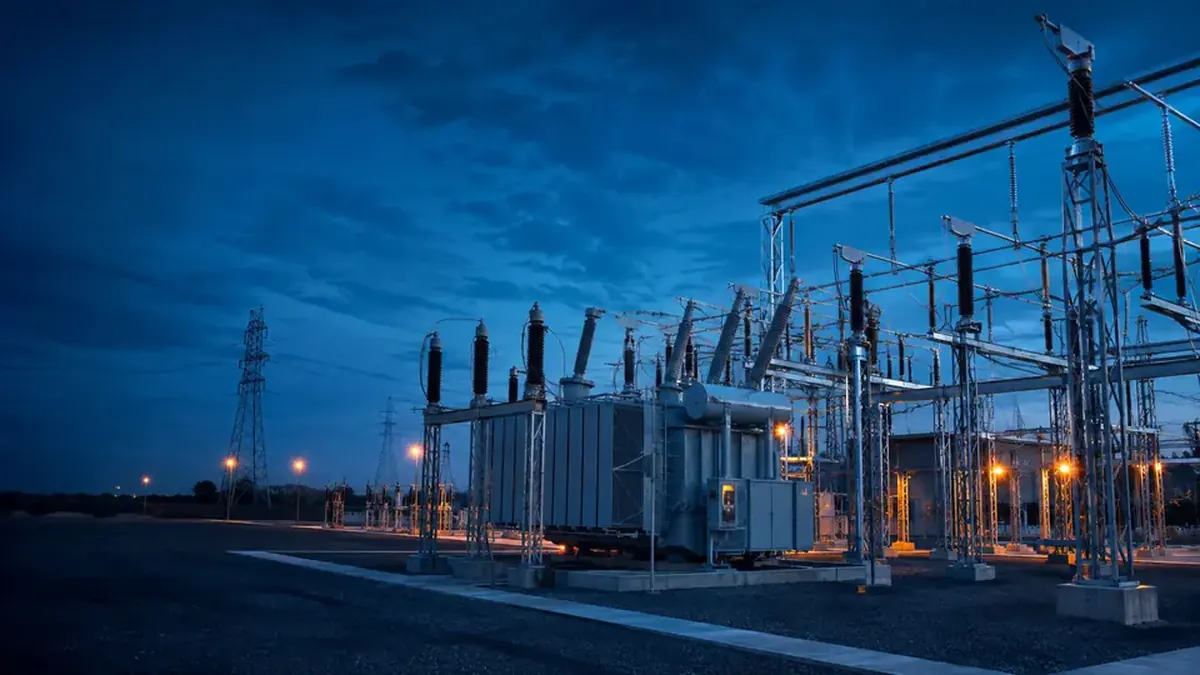
Primary focus: Electrical loading, balance, and operating context. Expected record: Recommended confirmation, repair, or monitoring actions. Typical setting: Medium- and low-voltage distribution.
DELIVERABLES
Typical outputs
Asset-by-asset condition observations
Annotated thermal or diagnostic evidence
Risk-ranked findings
Recommended confirmation, repair, or monitoring actions
APPLICATIONS
Typical assets
Switchgear and breakers
Transformers
Cables, bus, and terminations
Medium- and low-voltage distribution
SYSTEM INSIGHT
Electrical condition is strongest when thermal, discharge, ultrasound, loading, and asset history are interpreted together.