
AI and Machine Learning for industrial reliability

sales@stahcorp.com
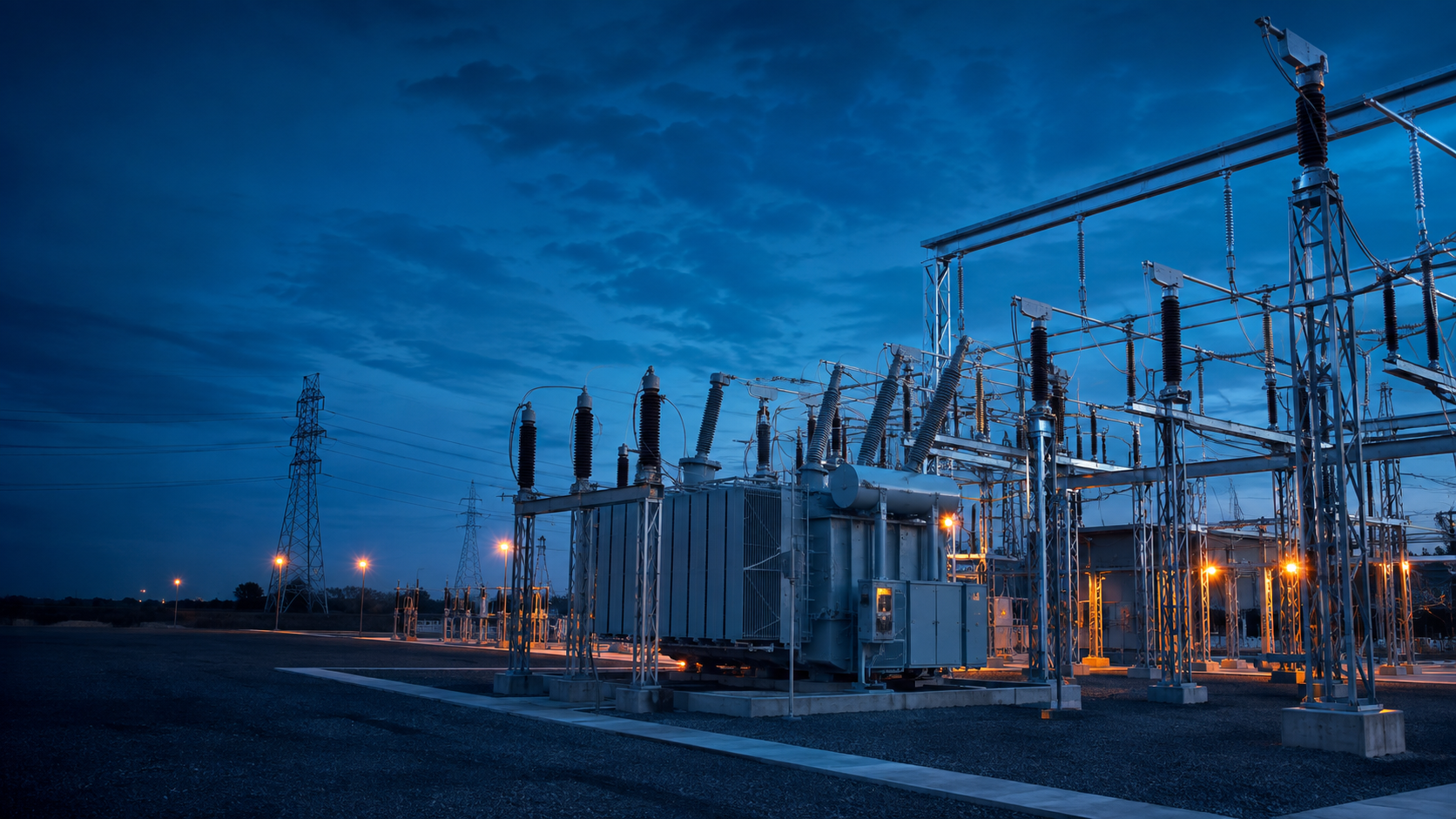
Medium-voltage power equipment prepared for condition assessment

Services · Medium-voltage insulation condition

Partial-discharge assessment

Partial-discharge assessment looks for localized insulation activity that can indicate developing electrical deterioration.

STAHPDINSULATION RISK
Medium-voltage power equipment prepared for condition assessment
Field execution and diagnostic evidence
Back to Services

What the service evaluates

The field questions this service is built to answer.

  • Corona, surface discharge, and internal discharge indicators
  • Signal pattern and repetition
  • Location and asset association
  • Trend and operating influence

Inside the engagement

What happens before, during, and after the site visit.

A focused service should answer a defined technical question, not merely produce readings. Good execution preserves operating context, measurement settings, limitations, and the chain of reasoning from observation to recommendation.

For partial-discharge assessment, that means beginning with corona, surface discharge, and internal discharge indicators, working in the context of medium-voltage switchgear, and preserving enough evidence to support screening results by asset.

Field-use caution

A field measurement is evidence, not an automatic diagnosis. Access, loading, configuration, history, and complementary checks determine what the result can support.


Typical service workflow

The field-service route.

The exact visit changes with the equipment and access, but the control points stay recognizable. Open a stage for more detail.

  1. Review asset type, voltage, history, and safe access for Partial-discharge assessment
    01

    Review asset type, voltage, history, and safe access

    Open detail
  2. Screen using suitable online methods for Partial-discharge assessment
    02

    Screen using suitable online methods

    Open detail
  3. Distinguish electrical activity from interference for Partial-discharge assessment
    03

    Distinguish electrical activity from interference

    Open detail
  4. Recommend localization, trending, outage testing, or repair for Partial-discharge assessment
    04

    Recommend localization, trending, outage testing, or repair

    Open detail
DELIVERABLES

Typical deliverables

  • Screening results by asset
  • Signal and pattern evidence
  • Confidence and limitation statement
  • Risk-based follow-up recommendation
APPLICATIONS

Common applications

  • Medium-voltage switchgear
  • Cables and terminations
  • Transformers
  • Motors and generators

Behind each reading

What the field team is doing while the instrument collects data.

Preparation, safe access, repeatability, context, and technical review make a measurement useful.

  1. 01

    Review asset type, voltage, history, and safe access

    Primary focus: Corona, surface discharge, and internal discharge indicators. Expected record: Screening results by asset. Typical setting: Medium-voltage switchgear.

  2. 02

    Screen using suitable online methods

    Primary focus: Signal pattern and repetition. Expected record: Signal and pattern evidence. Typical setting: Cables and terminations.

  3. 03

    Distinguish electrical activity from interference

    Primary focus: Location and asset association. Expected record: Confidence and limitation statement. Typical setting: Transformers.

  4. 04

    Recommend localization, trending, outage testing, or repair

    Primary focus: Trend and operating influence. Expected record: Risk-based follow-up recommendation. Typical setting: Motors and generators.

Service record

What should appear in a complete field record.

  • The asset, audience, or system boundary and the decision being supported
  • The relevant operating state, access conditions, source records, and known limitations
  • The observations or results related to signal pattern and repetition
  • The comparison, technical reasoning, confidence, priority, and alternative explanations
  • The owner, timing, verification method, and trigger for escalation or follow-up

Analyst review

What gets challenged before the report is issued.

  • Was the evidence collected under a representative and documented condition?
  • Does another indicator support—or conflict with—the first conclusion?
  • Could access, setup, data quality, environment, or operating state explain the result?
  • Is the proposed action proportionate to condition, consequence, and uncertainty?
  • What new evidence would confirm that the action worked?
FIELD NOTE
Partial discharge is a risk indicator whose meaning depends on type, location, magnitude, trend, and asset consequence.

Start a conversation

Talk with STAH about partial-discharge assessment.

Share the asset, operating concern, data opportunity, or reliability goal. STAH can help shape a focused, human-reviewed next step.