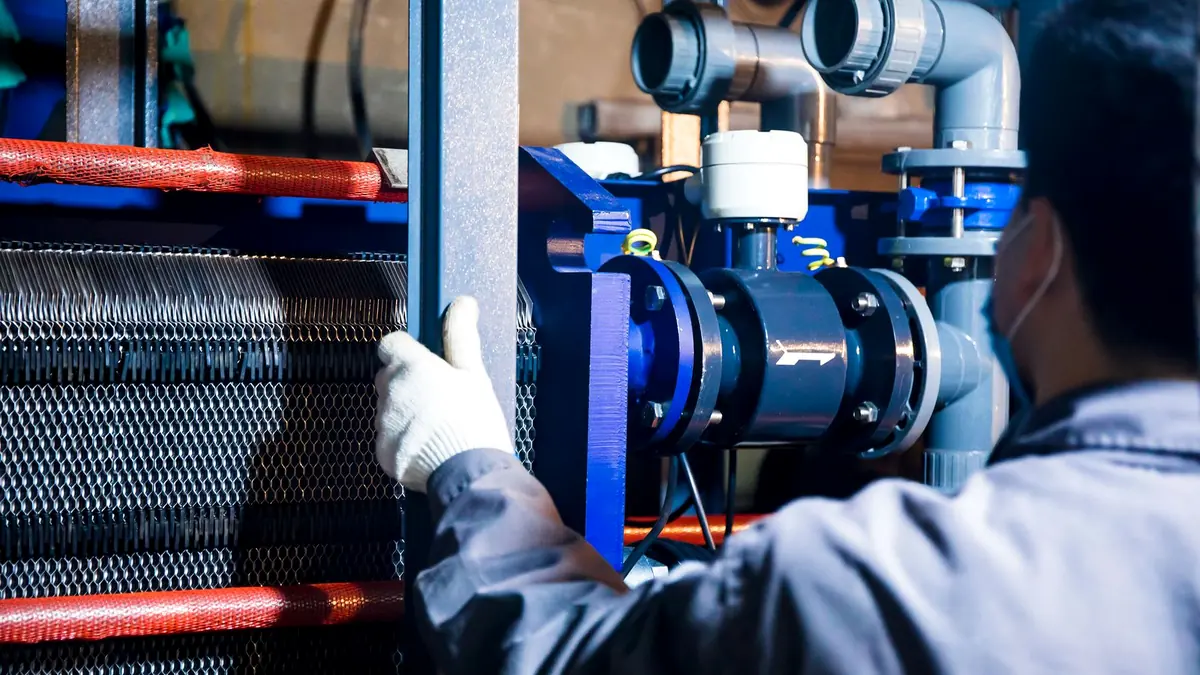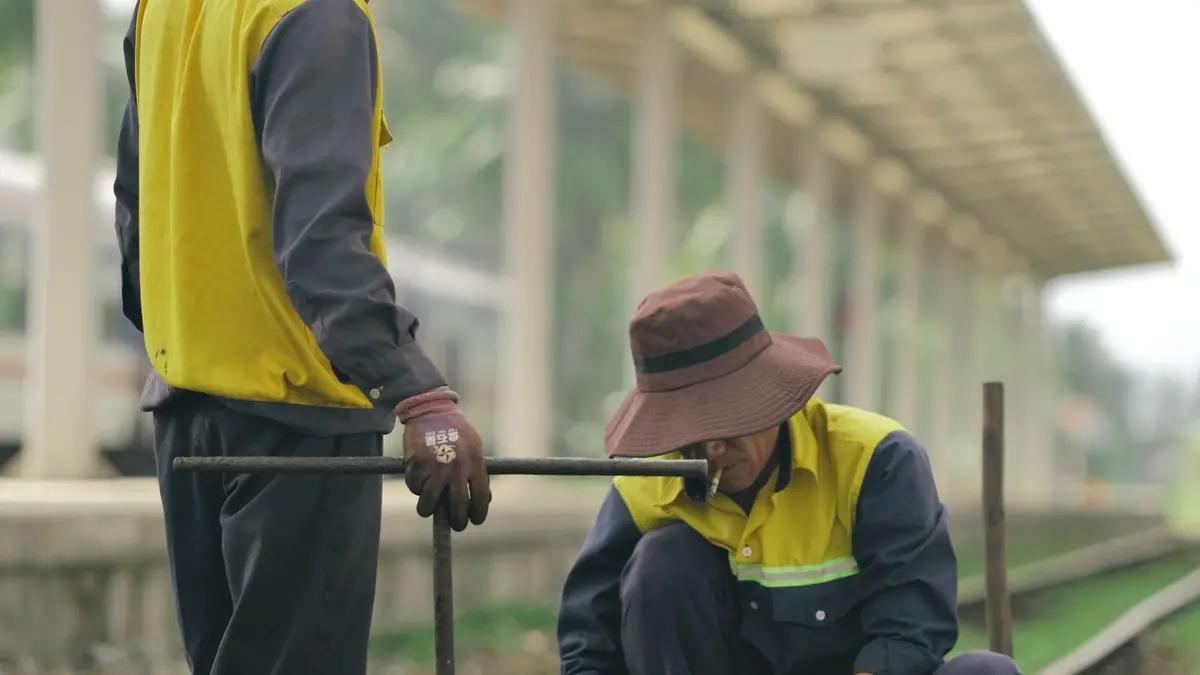

Record additions, filtering, and maintenance events
Read, test, apply
Use the idea carefully—and keep its limits visible.
A technical reference is useful when it helps a reader ask better questions, recognize limits, and connect a term or method to a real decision. The goal is practical understanding, not a shortcut around competent review.
For a sample is only as good as the method, that means beginning with use an active-zone sampling point, working in the context of gearboxes, and preserving enough evidence to support was the point representative?.
Reader’s boundary
Educational guidance does not replace an asset-specific procedure, applicable standard, manufacturer instruction, or review by a qualified professional.
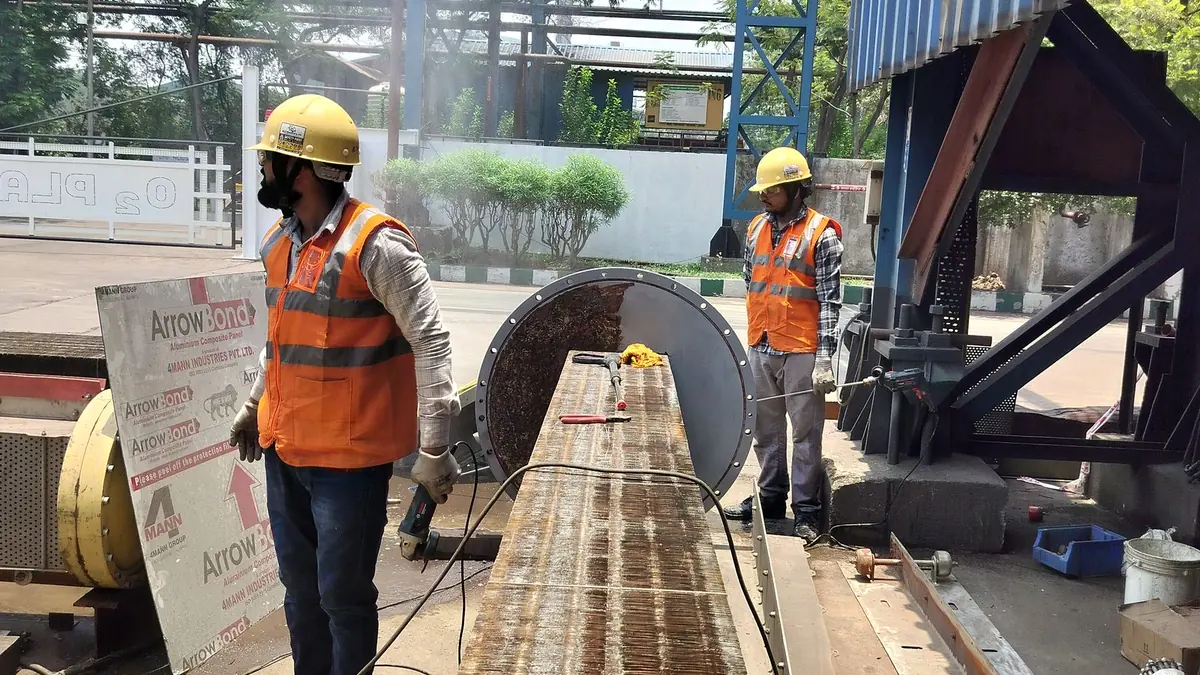
Keep beside the conclusion
The context a careful reader preserves.
The asset, audience, or system boundary and the decision being supported
The relevant operating state, access conditions, source records, and known limitations
The observations or results related to keep hardware and containers clean
The comparison, technical reasoning, confidence, priority, and alternative explanations
The owner, timing, verification method, and trigger for escalation or follow-up
Reader’s checklist
Questions to carry into the field or review meeting.
Was the evidence collected under a representative and documented condition?
Does another indicator support—or conflict with—the first conclusion?
Could access, setup, data quality, environment, or operating state explain the result?
Is the proposed action proportionate to condition, consequence, and uncertainty?
What new evidence would confirm that the action worked?
From reference to question
How technical reading improves the next decision.
The strongest use of a resource is often a better question, a clearer limitation, or a more disciplined request for evidence.
01
Choose the representative point
Primary focus: Use an active-zone sampling point. Expected record: Was the point representative?. Typical setting: Gearboxes.
02
Flush stagnant material appropriately
Primary focus: Keep hardware and containers clean. Expected record: Was contamination introduced?. Typical setting: Hydraulic systems.
03
Collect and label consistently
Primary focus: Sample under consistent operating conditions. Expected record: Was the machine operating comparably?. Typical setting: Turbines and compressors.
04
Interpret against history and operating context
Primary focus: Record additions, filtering, and maintenance events. Expected record: Did recent oil addition dilute the trend?. Typical setting: Transformers.
A practical way to apply it
A practical reading path.
Move from definition to context, evidence, and application. Open a step when you need the longer explanation.