
AI and Machine Learning for industrial reliability

sales@stahcorp.com
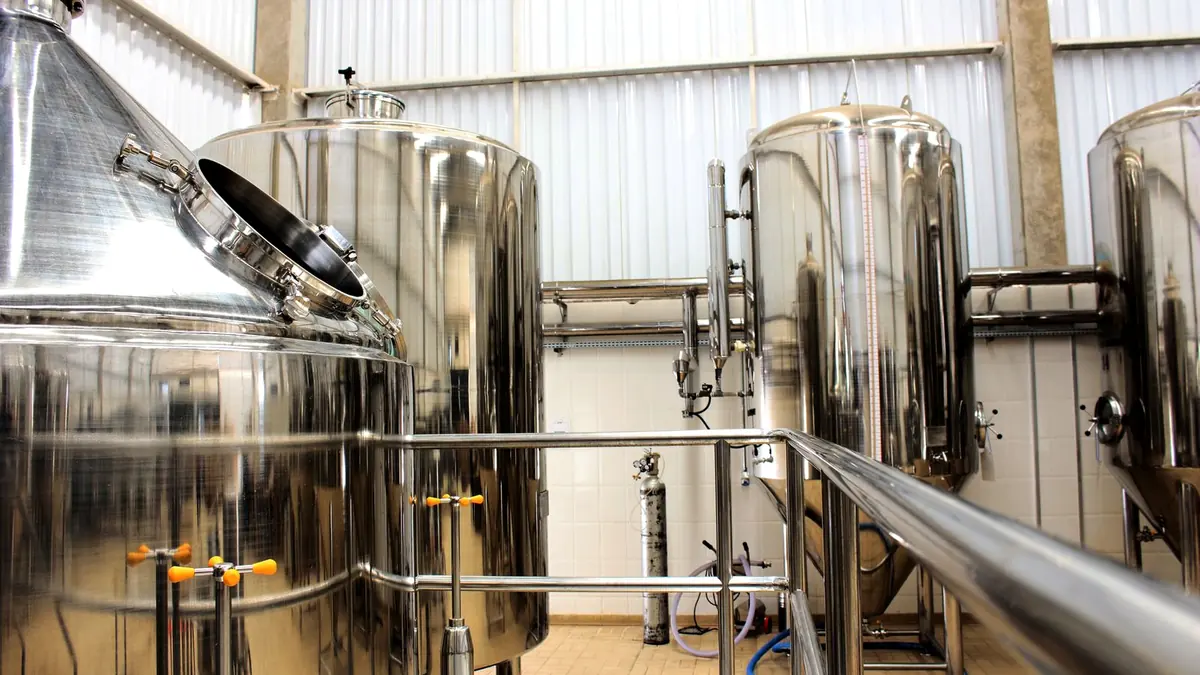
Ultrasound screening applied to an industrial utility system

Resources · Field note · Ultrasound

Ultrasound: screen first, diagnose second

Ultrasound is excellent for quickly finding relative exceptions, but the exception still needs verification and context before action.

STAHUTFIND THE EXCEPTION
Ultrasound screening applied to an industrial utility system
Technical reference connected to field evidence
Back to Resources

Key principles

What this guide helps you understand.

  • Establish background and comparison
  • Use repeatable settings and positions
  • Listen to signal character as well as level
  • Confirm with context or another method

Read, test, apply

Use the idea carefully—and keep its limits visible.

A technical reference is useful when it helps a reader ask better questions, recognize limits, and connect a term or method to a real decision. The goal is practical understanding, not a shortcut around competent review.

For ultrasound: screen first, diagnose second, that means beginning with establish background and comparison, working in the context of leak surveys, and preserving enough evidence to support is the source location clear?.

Reader’s boundary

Educational guidance does not replace an asset-specific procedure, applicable standard, manufacturer instruction, or review by a qualified professional.


Keep beside the conclusion

The context a careful reader preserves.

  • The asset, audience, or system boundary and the decision being supported
  • The relevant operating state, access conditions, source records, and known limitations
  • The observations or results related to use repeatable settings and positions
  • The comparison, technical reasoning, confidence, priority, and alternative explanations
  • The owner, timing, verification method, and trigger for escalation or follow-up

Reader’s checklist

Questions to carry into the field or review meeting.

  • Was the evidence collected under a representative and documented condition?
  • Does another indicator support—or conflict with—the first conclusion?
  • Could access, setup, data quality, environment, or operating state explain the result?
  • Is the proposed action proportionate to condition, consequence, and uncertainty?
  • What new evidence would confirm that the action worked?

From reference to question

How technical reading improves the next decision.

The strongest use of a resource is often a better question, a clearer limitation, or a more disciplined request for evidence.

  1. 01

    Screen consistently

    Primary focus: Establish background and comparison. Expected record: Is the source location clear?. Typical setting: Leak surveys.

  2. 02

    Identify relative exceptions

    Primary focus: Use repeatable settings and positions. Expected record: Is the comparison valid?. Typical setting: Steam traps.

  3. 03

    Localize and classify the source

    Primary focus: Listen to signal character as well as level. Expected record: Could background noise dominate?. Typical setting: Bearings.

  4. 04

    Verify consequence before recommending work

    Primary focus: Confirm with context or another method. Expected record: What complementary check would confirm it?. Typical setting: Electrical inspections.

A practical way to apply it

A practical reading path.

Move from definition to context, evidence, and application. Open a step when you need the longer explanation.

  1. Screen consistently for Ultrasound: screen first, diagnose second
    01

    Screen consistently

    Open detail
  2. Identify relative exceptions for Ultrasound: screen first, diagnose second
    02

    Identify relative exceptions

    Open detail
  3. Localize and classify the source for Ultrasound: screen first, diagnose second
    03

    Localize and classify the source

    Open detail
  4. Verify consequence before recommending work for Ultrasound: screen first, diagnose second
    04

    Verify consequence before recommending work

    Open detail
DELIVERABLES

Questions to ask

  • Is the source location clear?
  • Is the comparison valid?
  • Could background noise dominate?
  • What complementary check would confirm it?
APPLICATIONS

Where the lesson applies

  • Leak surveys
  • Steam traps
  • Bearings
  • Electrical inspections
EDITOR’S NOTE
Screening speed is valuable only when false positives and ambiguous sources are controlled.

Start a conversation

Talk with STAH about ultrasound: screen first, diagnose second.

Share the asset, operating concern, data opportunity, or reliability goal. STAH can help shape a focused, human-reviewed next step.