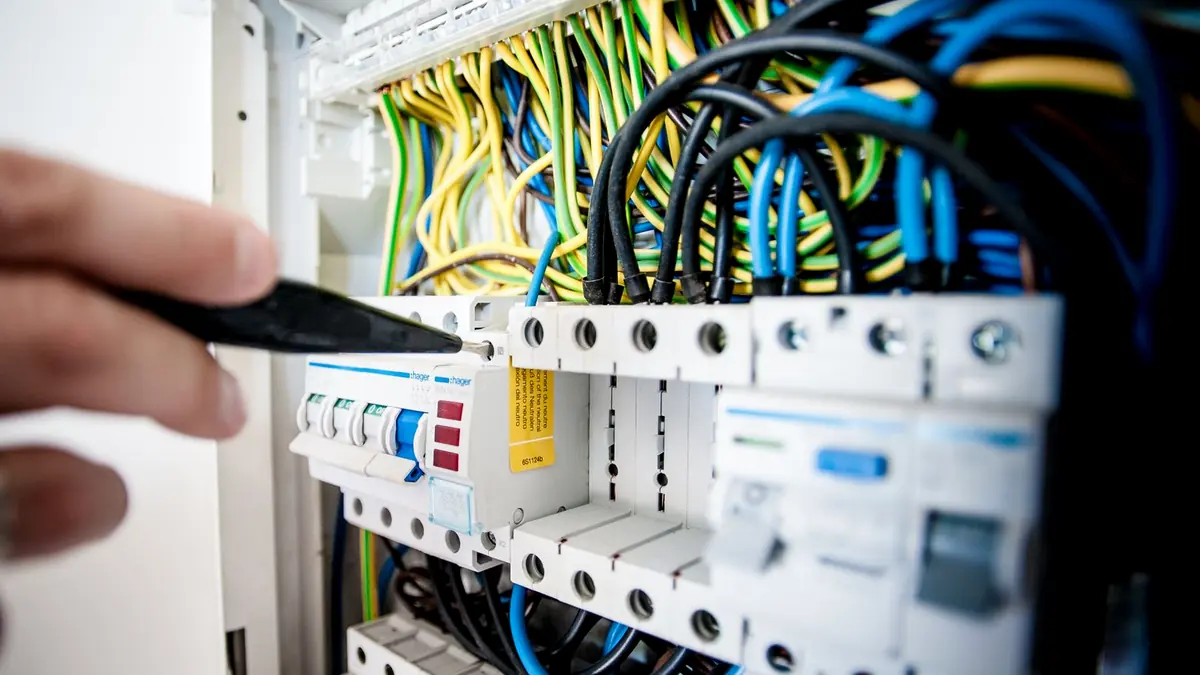
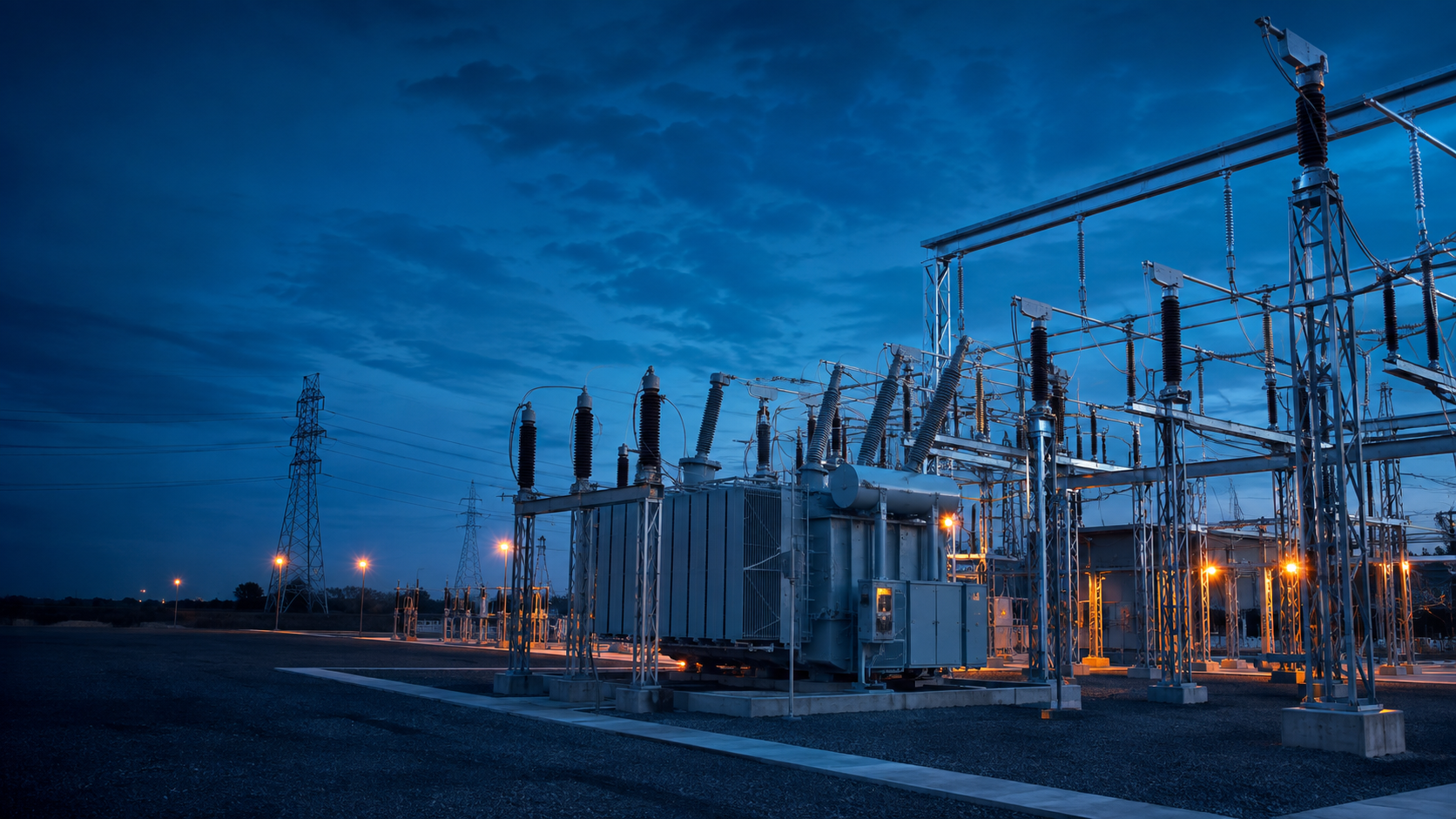
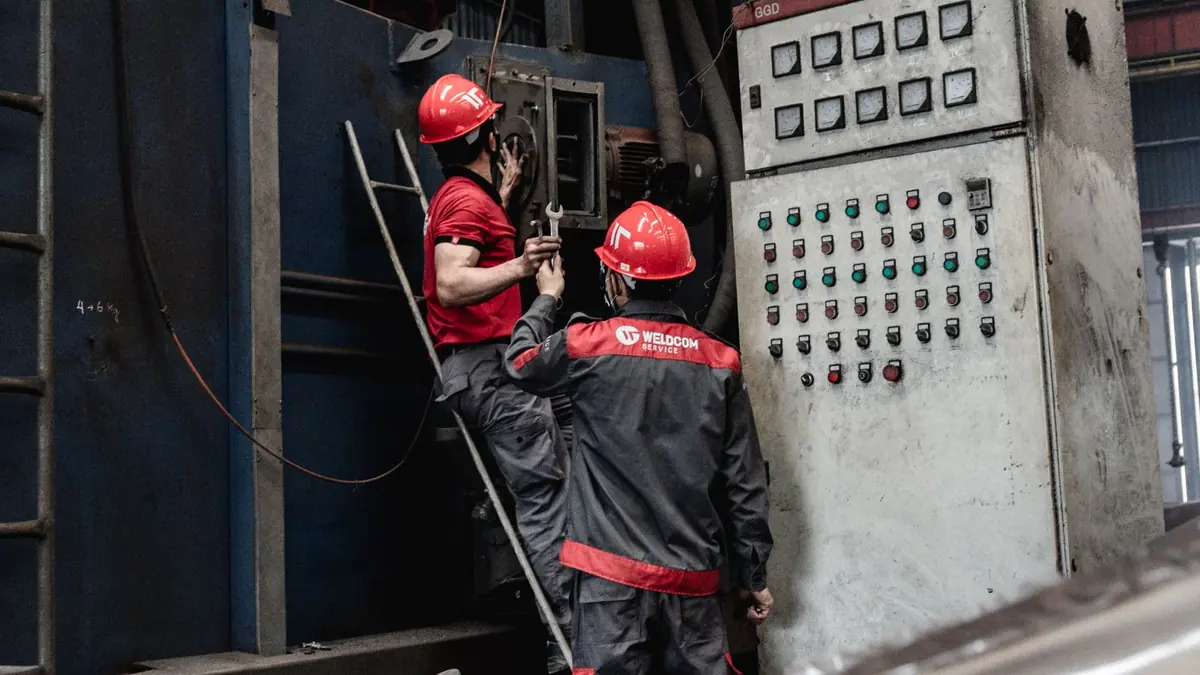
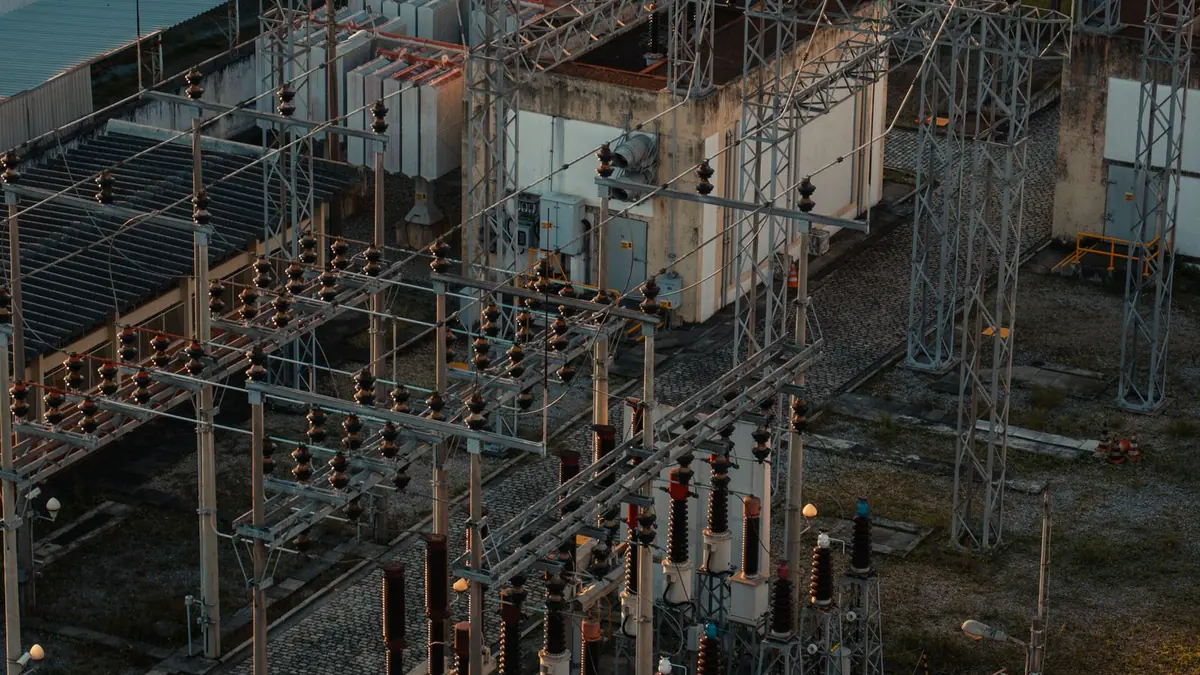
Named examples make the product family concrete. They are starting points for comparison, not a claim of STAH inventory, authorization, endorsement, or suitability for every site.
EA Technology
UltraTEV Plus²
Useful for: Route-based screening of medium-voltage switchgear for internal and surface-discharge indicators.
It combines transient-earth-voltage and ultrasonic techniques in one handheld instrument, helping a technician screen a lineup, compare locations, and identify assets that deserve confirmation or closer trending.
Confirm before selection
Applicable switchgear type and sensor accessories
Route, baseline, and severity workflow
Training needed to distinguish noise from credible discharge activity
Useful for: Fast online screening of medium- and high-voltage equipment using several partial-discharge sensing methods.
The handheld scanner supports built-in TEV and acoustic checks and can accept external sensors. That makes it useful when one inspection route covers switchgear, cables, terminations, and other assets with different signal paths.
Confirm before selection
Internal and external sensor package
Site noise and safe access conditions
How suspicious results will be localized, trended, or confirmed
Product models, features, software, pricing, regional availability, and support can change. Confirm the current configuration directly with the manufacturer or an authorized supplier before purchase.
Selection logic
Fit the instrument to the work—not the other way around.
Useful technology fits the failure mode, asset, user, environment, and follow-up workflow. The instrument is only one part of the system; sensors, accessories, software, training, calibration, data ownership, and response responsibilities affect the value it can deliver.
For partial-discharge instruments, that means beginning with sensor type and frequency range, working in the context of switchgear, and preserving enough evidence to support application and sensor fit.
Selection caution
A product name is not a universal recommendation. Current model status, specifications, regional availability, safety requirements, compatibility, and commercial terms must be confirmed before selection.
Specification checks
The decisions behind a sound technical selection.
The comparison should explain how the complete configuration will be used—not only which model has the longest feature list.
01
Define asset, voltage class, access, and inspection objective
Primary focus: Sensor type and frequency range. Expected record: Application and sensor fit. Typical setting: Switchgear.
02
Match coupling and sensor method to the asset
Primary focus: Noise rejection and pattern visibility. Expected record: Required accessories and access. Typical setting: Cables and terminations.
03
Confirm training, baseline, and interference controls
Primary focus: Portable screening versus installed monitoring. Expected record: Training and analysis needs. Typical setting: Transformers.
04
Plan reporting, trending, and escalation
Primary focus: Data review and reporting workflow. Expected record: Commercial availability and support scope. Typical setting: Motors and generators.
Selection path
A buyer’s path from need to implementation.
A sound purchase starts before a quotation and continues through training, data handling, and support. Open a step for selection guidance.