Named examples make the product family concrete. They are starting points for comparison, not a claim of STAH inventory, authorization, endorsement, or suitability for every site.
FLIR
E96
Useful for: High-resolution electrical, mechanical, and process thermography where small thermal differences or distant targets matter.
A higher-resolution radiometric camera can improve target detail and measurement confidence, especially on complex electrical assemblies or larger assets. Its value still depends on load, emissivity, focus, distance, and a qualified interpretation workflow.
Confirm before selection
Temperature range, lens, and target distance
Required image resolution and reporting software
Calibration, training, and site inspection procedure
Useful for: Repeatable visual and infrared inspection access through closed electrical enclosures.
A properly selected and installed inspection window can provide a consistent view of internal energized components while helping the site keep the enclosure closed. It supports repeatable routes; it does not remove arc-flash, PPE, or safe-work obligations.
Confirm before selection
Enclosure rating and environmental compatibility
Field of view, target layout, and installation location
Site electrical-safety and inspection-window procedure
Product models, features, software, pricing, regional availability, and support can change. Confirm the current configuration directly with the manufacturer or an authorized supplier before purchase.
Selection logic
Fit the instrument to the work—not the other way around.
Useful technology fits the failure mode, asset, user, environment, and follow-up workflow. The instrument is only one part of the system; sensors, accessories, software, training, calibration, data ownership, and response responsibilities affect the value it can deliver.
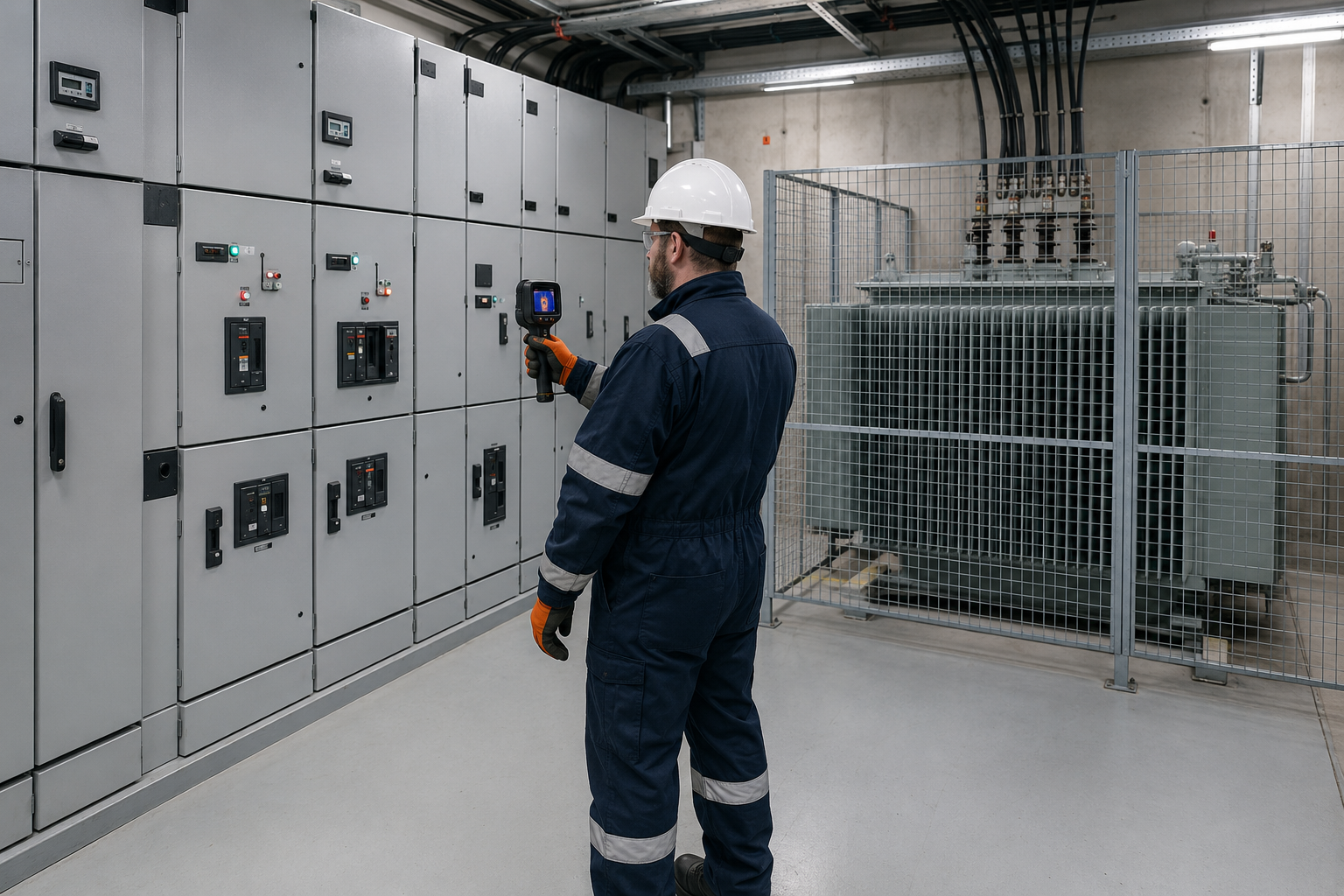
For infrared cameras and inspection windows, that means beginning with detector resolution and thermal sensitivity, working in the context of electrical enclosures, and preserving enough evidence to support camera and lens application fit.
Selection caution
A product name is not a universal recommendation. Current model status, specifications, regional availability, safety requirements, compatibility, and commercial terms must be confirmed before selection.
Specification checks
The decisions behind a sound technical selection.
The comparison should explain how the complete configuration will be used—not only which model has the longest feature list.
01
Define target size, distance, temperature, and environment
Primary focus: Detector resolution and thermal sensitivity. Expected record: Camera and lens application fit. Typical setting: Electrical enclosures.
02
Match camera and optics to required detail
Primary focus: Temperature range and lens selection. Expected record: Access and window considerations. Typical setting: Transformers and terminations.
03
Plan access and inspection-window placement if applicable
Primary focus: Inspection-window material and field of view. Expected record: Environmental and safety constraints. Typical setting: Rotating equipment.
04
Confirm training and reporting needs
Primary focus: Reporting, emissivity, and image workflow. Expected record: Support and availability confirmation. Typical setting: Process and building systems.
Selection path
A buyer’s path from need to implementation.
A sound purchase starts before a quotation and continues through training, data handling, and support. Open a step for selection guidance.