AI and Machine Learning for industrial reliability

sales@stahcorp.com
Maintenance professional learning representative condition-data collection practices

Training · Build a common technical foundation

Condition-monitoring fundamentals

This training track introduces how vibration, ultrasound, infrared, electrical, and oil evidence support equipment-condition decisions.

STAHCBMFOUNDATIONS
Maintenance professional learning representative condition-data collection practices
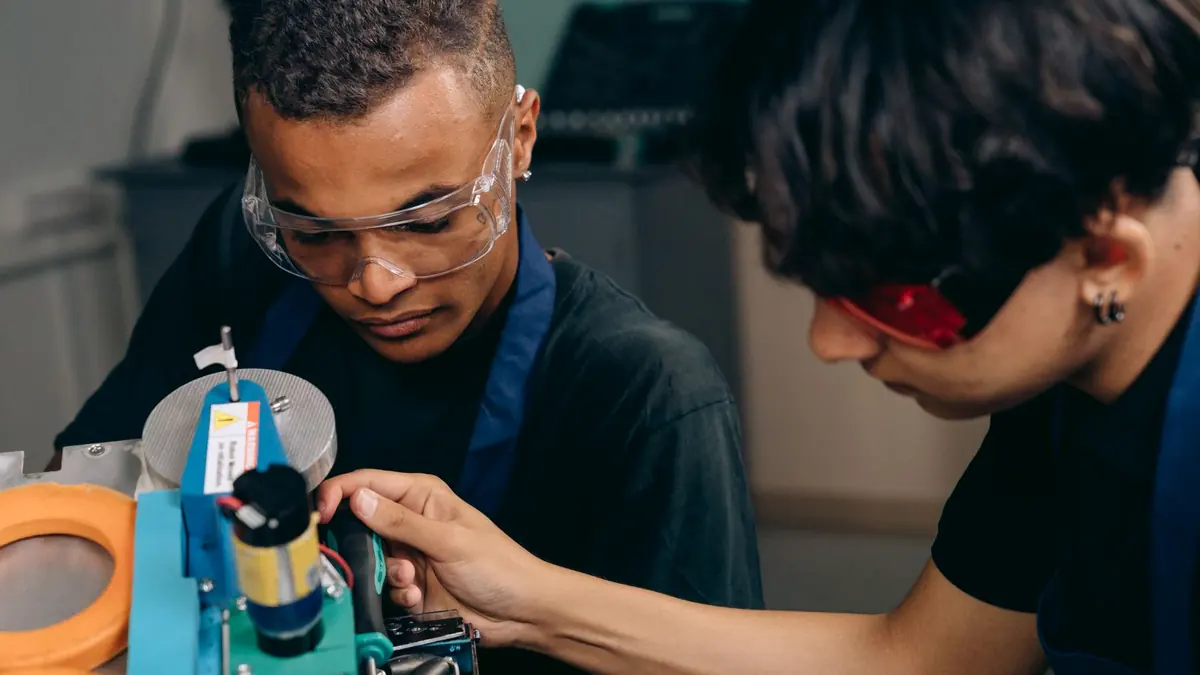
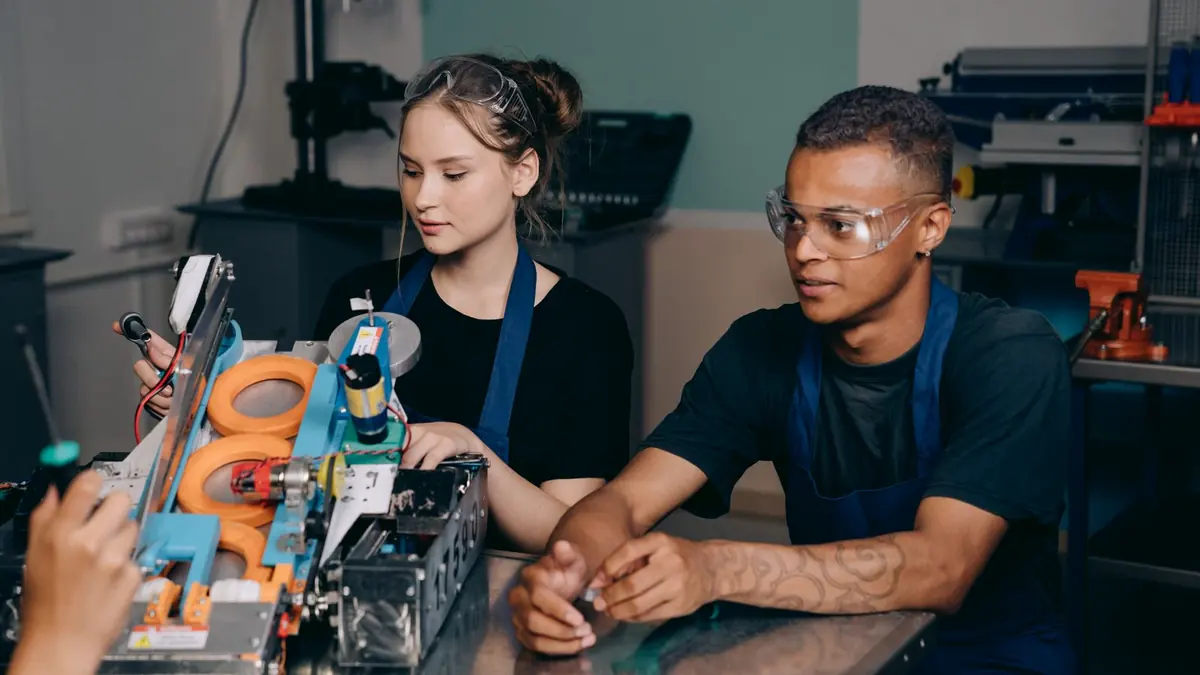
Hands-on learning with industrial instruments
Back to Training

Learning focus

What participants will learn to do.

  • Failure modes and condition indicators
  • Measurement quality and operating context
  • Screening versus diagnosis
  • Reporting and escalation basics

Program structure

How the learning journey develops.

The sequence moves from shared language to guided practice, demonstrated application, and reinforcement on the job.

  1. Confirm audience experience and asset context for Condition-monitoring fundamentals
    01

    Confirm audience experience and asset context

    Open detail
  2. Teach core concepts with relevant equipment examples for Condition-monitoring fundamentals
    02

    Teach core concepts with relevant equipment examples

    Open detail
  3. Practice instrument and evidence interpretation for Condition-monitoring fundamentals
    03

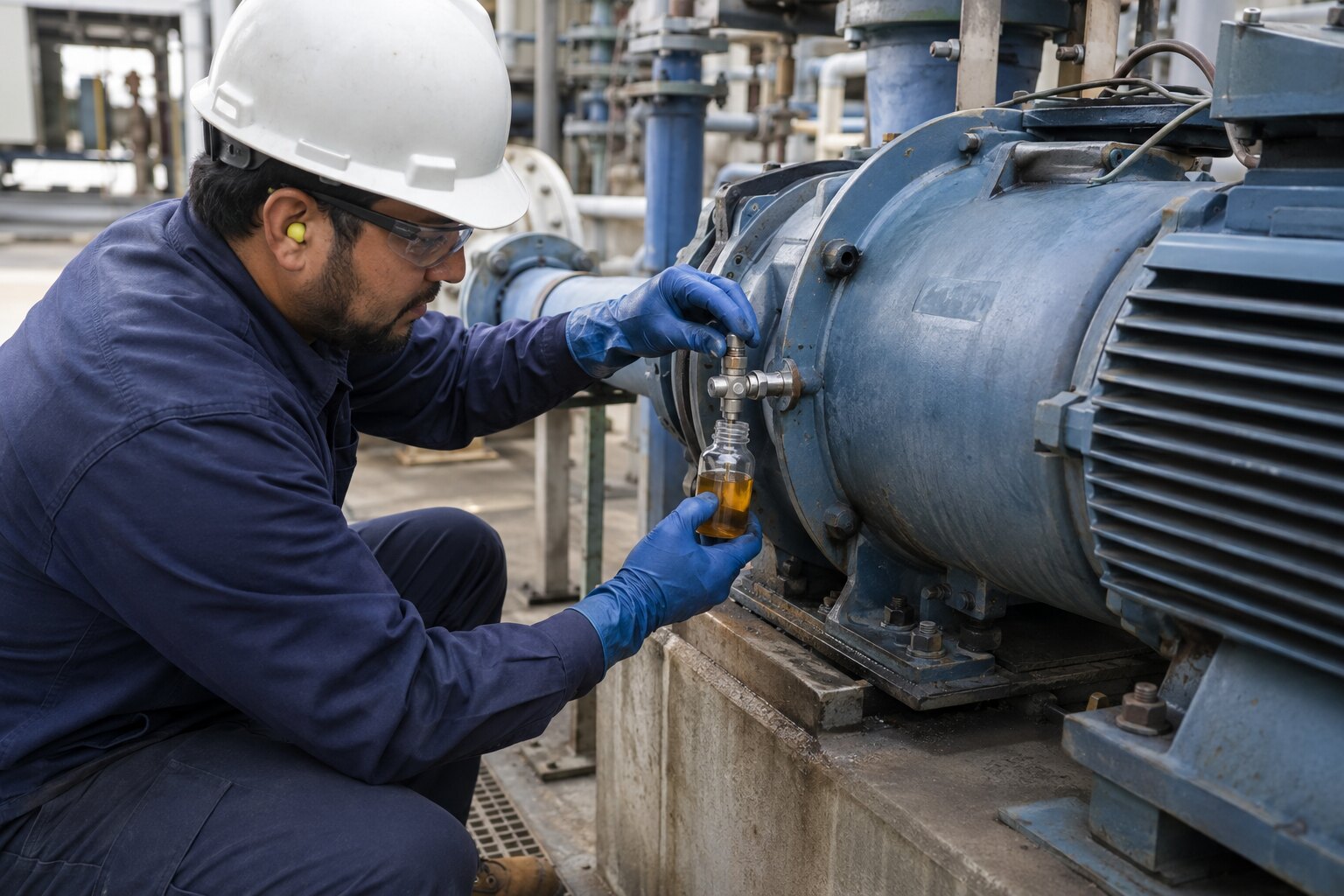
    Practice instrument and evidence interpretation

    Open detail
  4. Reinforce with a repeatable field workflow for Condition-monitoring fundamentals
    04

    Reinforce with a repeatable field workflow

    Open detail

Learning in practice

Turn technical knowledge into repeatable field judgment.

Training is complete only when participants can apply the idea safely and explain their reasoning. Examples, guided practice, feedback, and reinforcement help turn course content into consistent field behavior.

For condition-monitoring fundamentals, that means beginning with failure modes and condition indicators, working in the context of maintenance technicians, and preserving enough evidence to support shared terminology.

Qualification boundary

Course completion does not by itself establish qualification for energized work, specialized testing, or decisions governed by site, regulatory, or professional requirements.

From explanation to ability

What each learning stage should change.

A useful program makes progress visible through decisions, demonstrations, feedback, and application—not attendance alone.

  1. 01

    Confirm audience experience and asset context

    Primary focus: Failure modes and condition indicators. Expected record: Shared terminology. Typical setting: Maintenance technicians.

  2. 02

    Teach core concepts with relevant equipment examples

    Primary focus: Measurement quality and operating context. Expected record: Basic method-selection judgment. Typical setting: Reliability engineers.

  3. 03

    Practice instrument and evidence interpretation

    Primary focus: Screening versus diagnosis. Expected record: Improved data-quality awareness. Typical setting: Supervisors and planners.

  4. 04

    Reinforce with a repeatable field workflow

    Primary focus: Reporting and escalation basics. Expected record: Practical next-step reporting. Typical setting: New PdM team members.

Learning evidence

What participant progress should look like.

  • The asset, audience, or system boundary and the decision being supported
  • The relevant operating state, access conditions, source records, and known limitations
  • The observations or results related to measurement quality and operating context
  • The comparison, technical reasoning, confidence, priority, and alternative explanations
  • The owner, timing, verification method, and trigger for escalation or follow-up

Confirm transfer

Questions that test learning—not attendance.

  • Was the evidence collected under a representative and documented condition?
  • Does another indicator support—or conflict with—the first conclusion?
  • Could access, setup, data quality, environment, or operating state explain the result?
  • Is the proposed action proportionate to condition, consequence, and uncertainty?
  • What new evidence would confirm that the action worked?
DELIVERABLES

Participant outcomes

  • Shared terminology
  • Basic method-selection judgment
  • Improved data-quality awareness
  • Practical next-step reporting
APPLICATIONS

Suitable audiences

  • Maintenance technicians
  • Reliability engineers
  • Supervisors and planners
  • New PdM team members
INSTRUCTOR NOTE
Fundamentals should help people recognize what they know, what they do not know, and when to escalate.

Start a conversation

Talk with STAH about condition-monitoring fundamentals.

Share the asset, operating concern, data opportunity, or reliability goal. STAH can help shape a focused, human-reviewed next step.