Why this step matters
Gather evidence under controlled conditions.
This is where the agreed approach meets the real asset, team, or application. Repeatability, operating context, safe boundaries, and complete field notes determine whether later interpretation is defensible.
Follow the planned method, record exceptions and limitations, and preserve enough context for another qualified person to understand the evidence.
Applied to Safety and quality in field execution
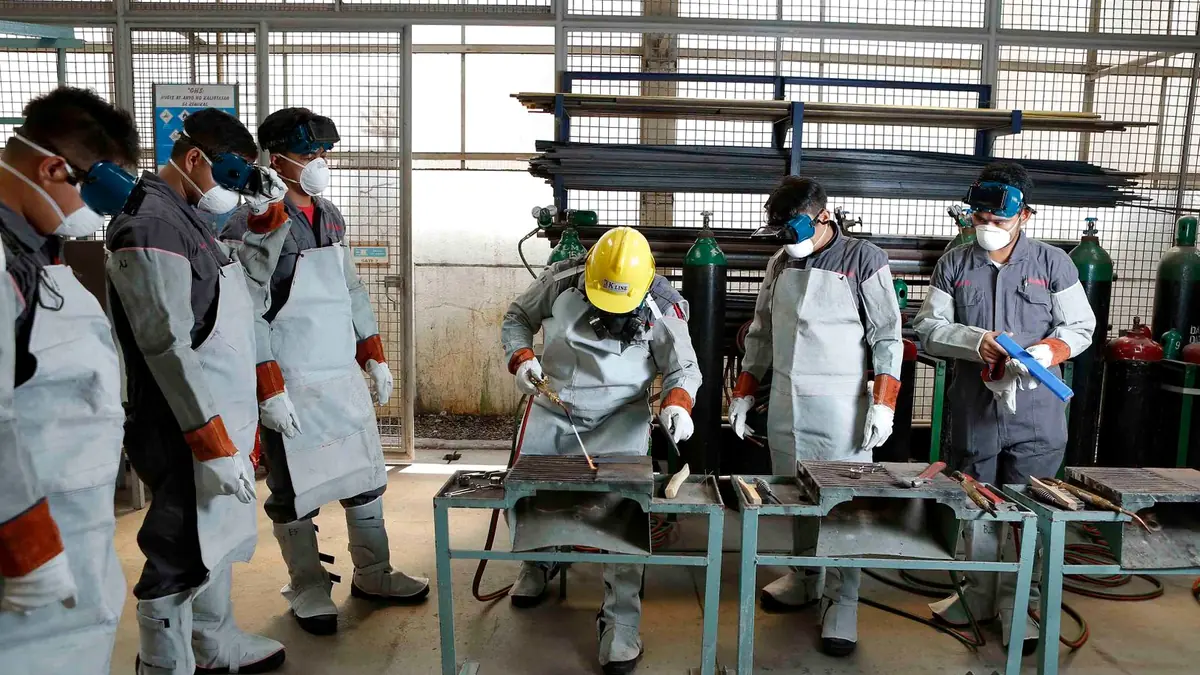
- Technical focus: Appropriate PPE and access controls
- Where it applies: Operating rotating equipment
- Expected evidence: Consistent field documentation
- Working principle: A technically interesting measurement never justifies crossing an unsafe equipment or operating boundary.
What happens in practice
- 01Prepare the context
Confirm the asset, people, records, operating state, and boundaries needed to address appropriate ppe and access controls.
- 02Make the work traceable
Follow the planned method, record exceptions and limitations, and preserve enough context for another qualified person to understand the evidence.
- 03Confirm the handoff
Check that the result can support consistent field documentation and that unresolved uncertainty is visible.
A sample of how this step may unfold
A plant leadership team wants to turn a reliability principle into consistent day-to-day behavior. During execution, the team works in the context of operating rotating equipment. It records operating conditions, method settings, unusual observations, and any departure from the plan so the evidence can be interpreted later without guesswork. The example closes with the principle that a technically interesting measurement never justifies crossing an unsafe equipment or operating boundary.
This is an educational example, not a description of a specific client engagement or a guaranteed result.Evidence to expect
What should be visible before moving on.
- Time-stamped observations or readings
- Operating state and measurement settings
- Exceptions from the planned method
- Photos, notes, or records that preserve context
Common mistake
What weakens this step.
Collecting technically precise information without recording the load, speed, configuration, environment, or limitation that gives it meaning.
What good looks like
- Another qualified person can understand how the evidence was collected
- Operating context is attached to the data
- Limitations are documented rather than hidden
Where this step ends
A clear record, a clear limit, and a clear next move.
A good closeout leaves the next person with a practical explanation of what was done, what the evidence supports, what remains uncertain, and what should happen next. For this capability, the working principle remains: A technically interesting measurement never justifies crossing an unsafe equipment or operating boundary.