
AI and Machine Learning for industrial reliability

sales@stahcorp.com
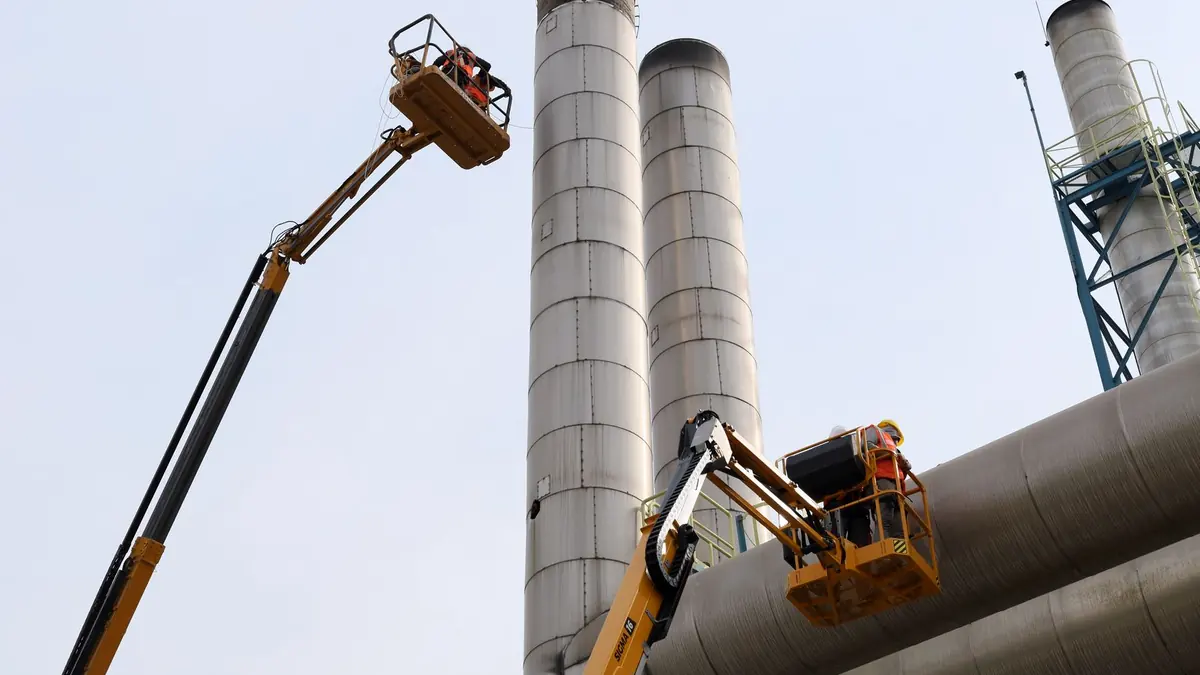
Industrial reliability work across critical plant equipment

About STAH · Methods adapted to operating context

Industrial environments we support

Reliability methods transfer across industries, but asset criticality, failure consequences, work windows, and process conditions differ.

STAHSECTORSINDUSTRIAL CONTEXT
Industrial reliability work across critical plant equipment
STAH philosophy in an industrial setting
Back to About STAH

What guides the approach

The beliefs behind the work.

  • Power and utility assets
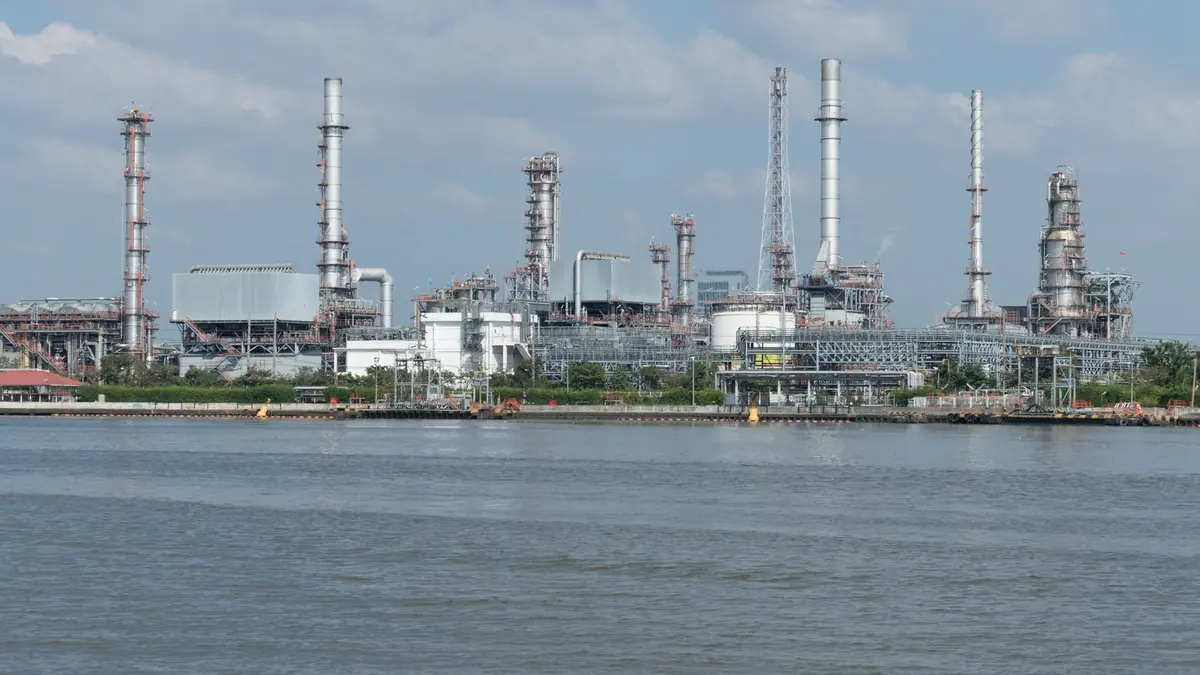
  • Oil, gas, and petrochemical facilities
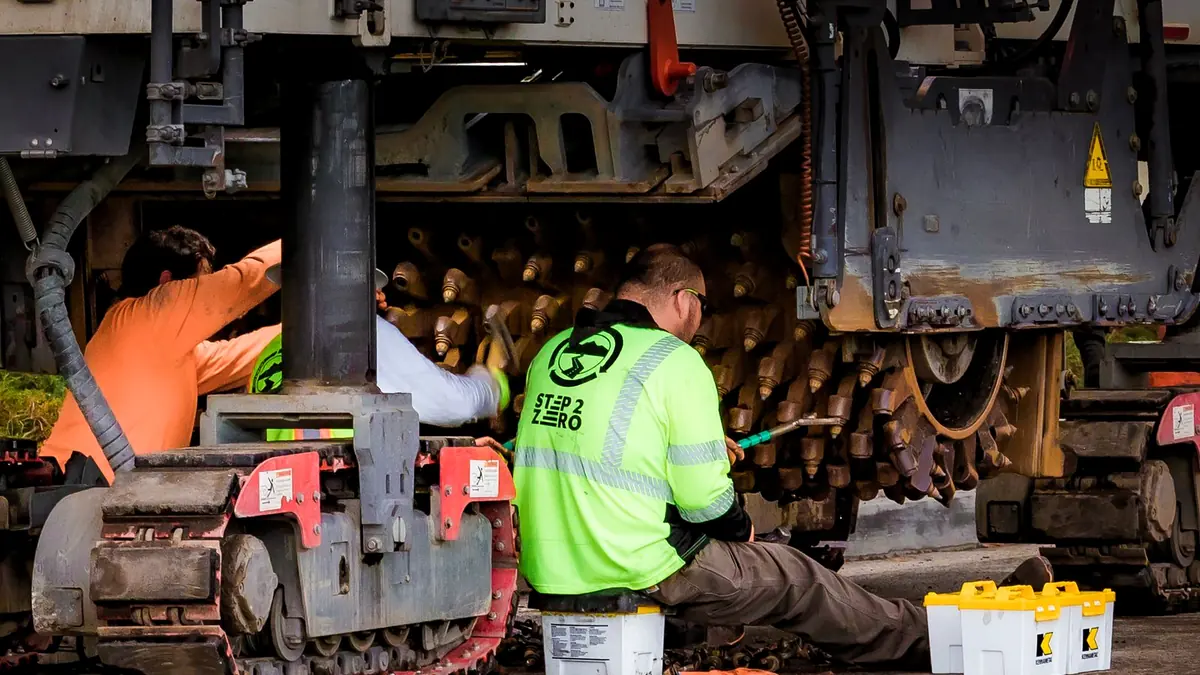
  • Manufacturing and process plants
  • Water, infrastructure, and commercial facilities

From principle to practice

How a reliability philosophy becomes everyday behavior.

A principle matters only when it changes how work is scoped, executed, reviewed, and handed to the next person. The practical test is whether a team can see the reasoning behind a decision and repeat the good parts of the approach.

For industrial environments we support, that means beginning with power and utility assets, working in the context of generation and distribution, and preserving enough evidence to support context-specific scope.

A principle with boundaries

A stated value does not replace site procedures, qualified judgment, documented responsibilities, or verification of the result.
What clients should notice

The approach leaves visible fingerprints.

People should be able to recognize the principle in the questions asked, evidence preserved, limits stated, and actions followed through.

  1. 01

    Understand the production or service function

    Primary focus: Power and utility assets. Expected record: Context-specific scope. Typical setting: Generation and distribution.

  2. 02

    Identify critical equipment and credible consequences

    Primary focus: Oil, gas, and petrochemical facilities. Expected record: Asset and consequence alignment. Typical setting: Continuous-process facilities.

  3. 03

    Adapt methods to access, speed, load, and environment

    Primary focus: Manufacturing and process plants. Expected record: Applicable inspection strategy. Typical setting: Discrete manufacturing.

  4. 04

    Coordinate recommendations with real maintenance windows

    Primary focus: Water, infrastructure, and commercial facilities. Expected record: Practical implementation sequence. Typical setting: Building and infrastructure systems.

How it shows up in the work

Four habits that make the principle visible.

The approach becomes credible through repeated behaviors—not a slogan. Open a habit to see the working detail behind it.

  1. Understand the production or service function for Industrial environments we support
    01

    Understand the production or service function

    Open detail
  2. Identify critical equipment and credible consequences for Industrial environments we support
    02

    Identify critical equipment and credible consequences

    Open detail
  3. Adapt methods to access, speed, load, and environment for Industrial environments we support
    03

    Adapt methods to access, speed, load, and environment

    Open detail
  4. Coordinate recommendations with real maintenance windows for Industrial environments we support
    04

    Coordinate recommendations with real maintenance windows

    Open detail

Signals of discipline

What a practical philosophy leaves behind.

  • The asset, audience, or system boundary and the decision being supported
  • The relevant operating state, access conditions, source records, and known limitations
  • The observations or results related to oil, gas, and petrochemical facilities
  • The comparison, technical reasoning, confidence, priority, and alternative explanations
  • The owner, timing, verification method, and trigger for escalation or follow-up

Keep intent honest

Questions that test whether the principle is real.

  • Was the evidence collected under a representative and documented condition?
  • Does another indicator support—or conflict with—the first conclusion?
  • Could access, setup, data quality, environment, or operating state explain the result?
  • Is the proposed action proportionate to condition, consequence, and uncertainty?
  • What new evidence would confirm that the action worked?
DELIVERABLES

What clients should expect

  • Context-specific scope
  • Asset and consequence alignment
  • Applicable inspection strategy
  • Practical implementation sequence
APPLICATIONS

Where it matters

  • Generation and distribution
  • Continuous-process facilities
  • Discrete manufacturing
  • Building and infrastructure systems
STAH POINT OF VIEW
The measurement technology may be similar, but the operating consequence determines how the result should be used.

Start a conversation

Talk with STAH about industrial environments we support.

Share the asset, operating concern, data opportunity, or reliability goal. STAH can help shape a focused, human-reviewed next step.